Key facts: Black Forest
- Black Forest is an unincorporated community in El Paso County; homes there use Colorado Springs ZIP 80908 (and Elbert 80106).
- Most of the Black Forest planning area was zoned for five-acre minimum lots in 1965, and the forest is mainly ponderosa pine.
- The Black Forest Fire began June 11, 2013, burned more than 14,000 acres, killed two people and destroyed about 500 homes.
- About 35,500 people were evacuated during the 2013 fire, which was declared fully contained around June 20.
Coverage
Black Forest addresses this page covers
This page covers addresses in ZIP 80908. Parts of the Black Forest area use the Elbert ZIP 80106, which is not on the coverage list for this service; if your address uses 80106, ask on the call whether it can be served.
- Black Forest, Colorado Springs ZIP 80908Homes with Colorado Springs mailing addresses in the 80908 ZIP across the forested community north of the city.
- Areas along Black Forest Road and Highway 83 (80908)Properties along the main north-south roads through the forest, including the area where the 2013 fire began.
- Shoup Road and Burgess Road corridors (80908)East-west routes crossing the community, lined with large-lot homes and outbuildings.
Fire history
The 2013 Black Forest Fire
The Black Forest Fire started on the afternoon of June 11, 2013, near Highway 83 and Shoup Road. [3] Hot, dry and windy weather drove it through the ponderosa pine forest and into neighborhoods of homes on large wooded lots. About 35,500 people were evacuated. Two people died. When the fire was contained around June 20, it had burned more than 14,000 acres. Counts of homes destroyed ranged from 486 to 511 depending on the source and date; the county sheriff's final report in 2014 put the figure at 489. Investigators ruled out natural causes but could not determine exactly how it started.
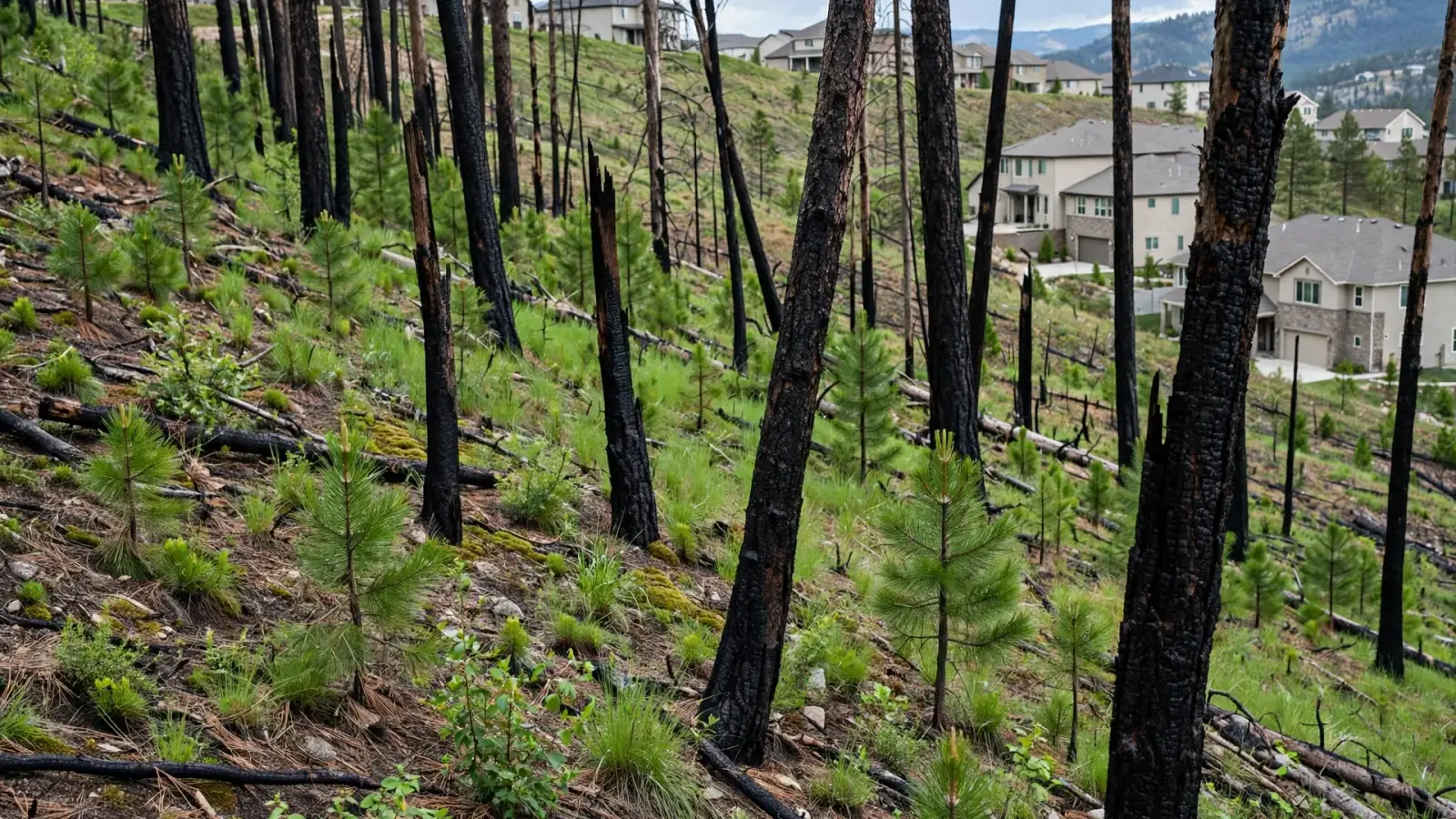
The fire came less than a year after the Waldo Canyon Fire on the other side of the city, and it surpassed Waldo Canyon as the most destructive fire in state history at the time. For Black Forest residents, it reshaped the community: some lots were rebuilt quickly, others stood empty for years, and the burned forest left open, grassy areas where dense pine once stood.
As in Waldo Canyon, the damage was not limited to houses that burned. Homes that survived were often filled with smoke and ash, had heat damage on the side facing the fire, and had outbuildings, fences and vehicles damaged or destroyed. Restoration after that kind of event is mostly about wildfire smoke damage, exterior repair and contents cleaning rather than rebuilding interiors.
Community
How Black Forest differs from the city
Black Forest is unincorporated: it is part of El Paso County, not the City of Colorado Springs, and residents voted against incorporating in 2006. [2] That affects several things after a fire. City programs and city-specific fire code requirements do not automatically apply; fire protection comes from a local fire protection district; and county rules govern land use. Building permits in much of El Paso County, including unincorporated areas, are handled by the regional building department, so repair permitting works similarly to the city.
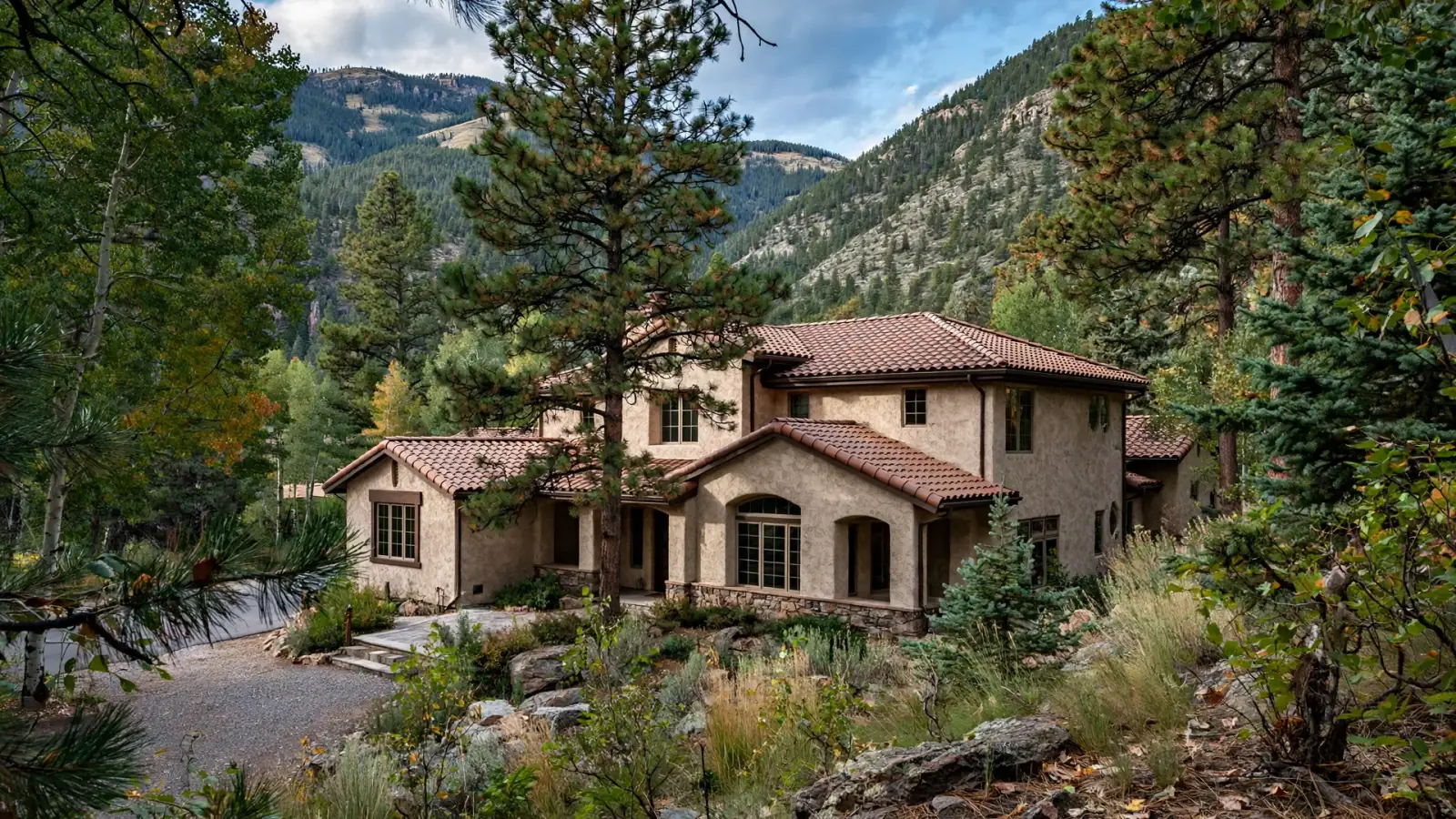
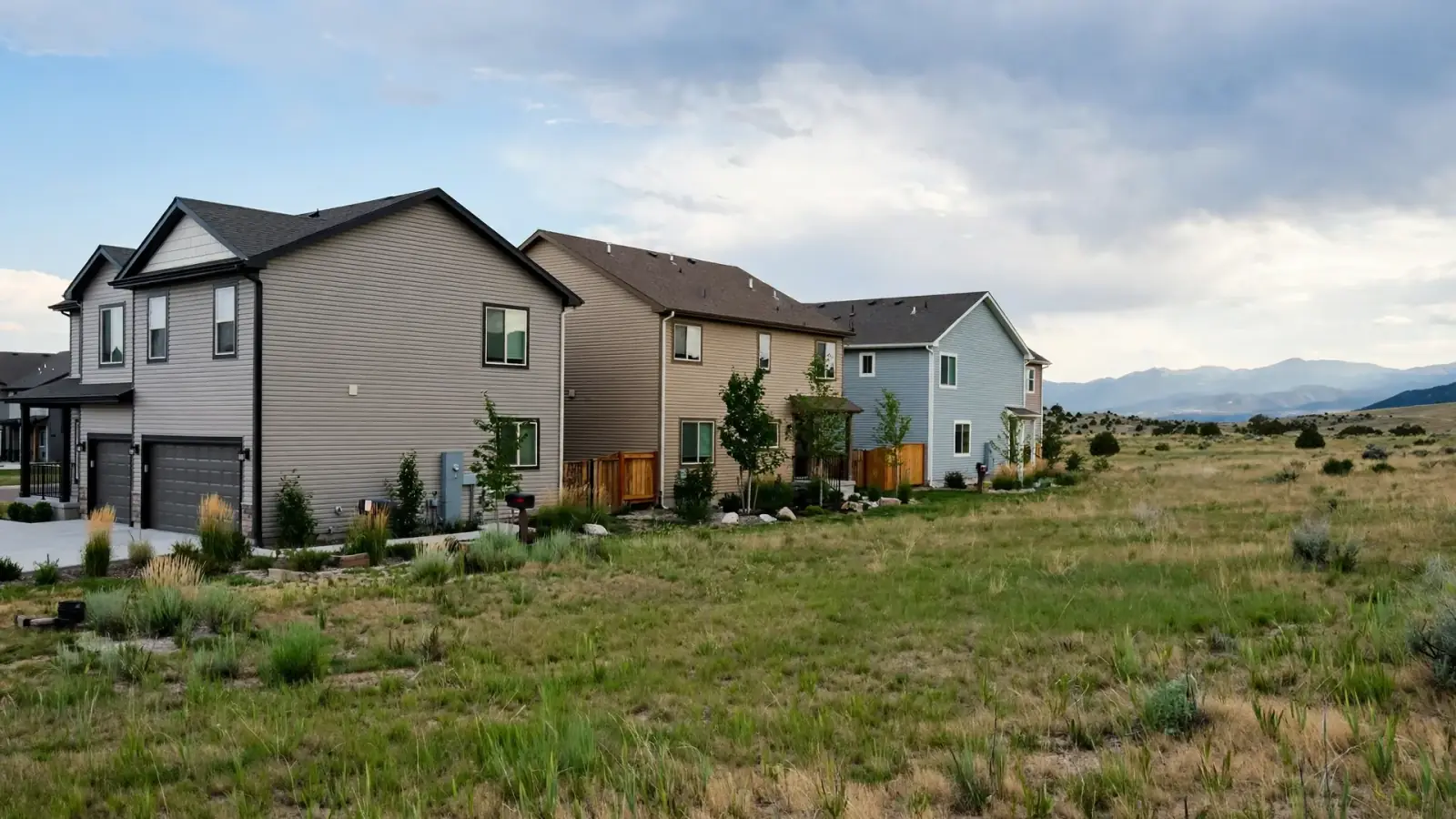
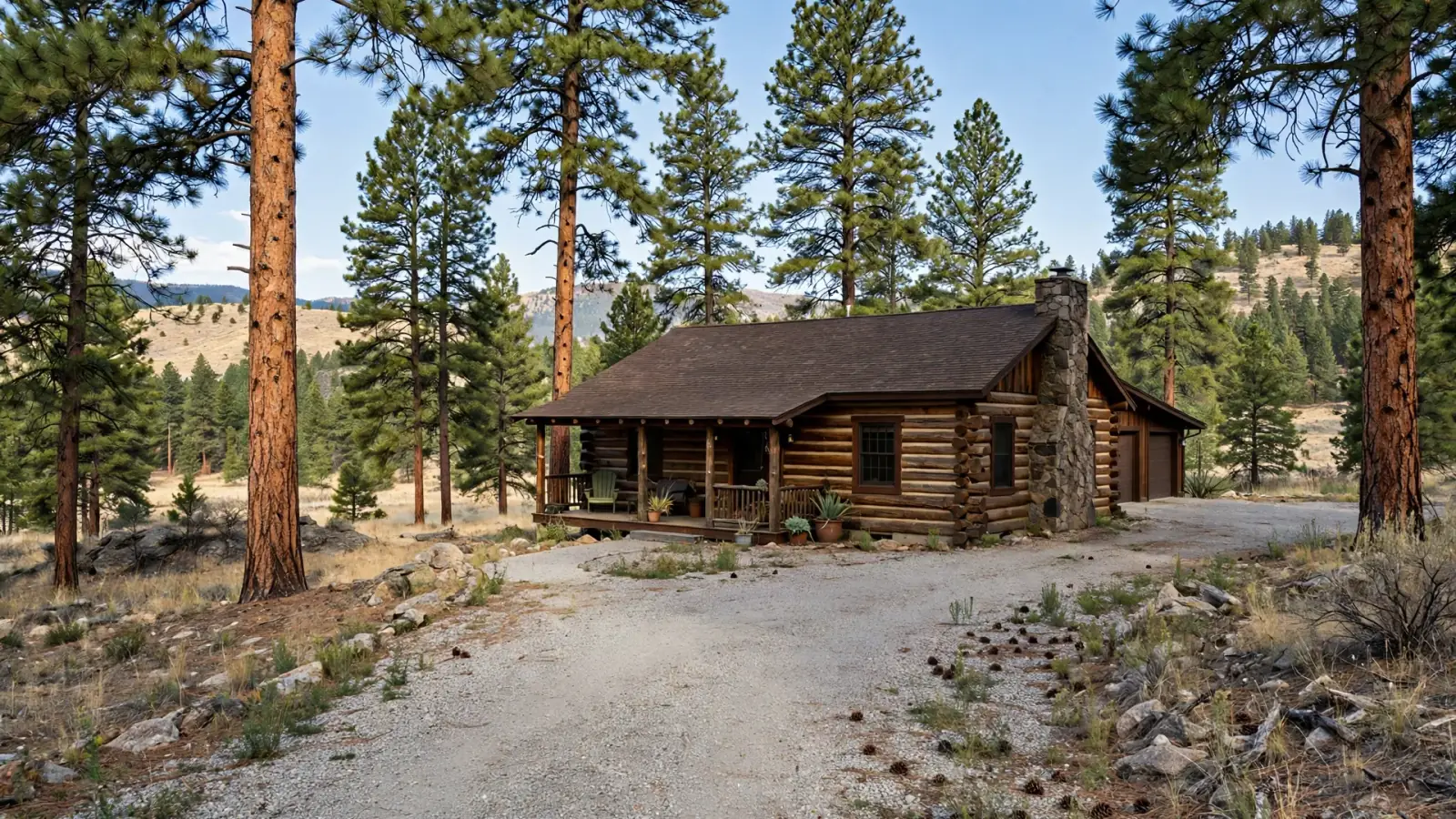
Most of the planning area was zoned for five-acre minimum lots in 1965, so homes are spread out, often set well back from the road on long gravel or dirt driveways, and surrounded by trees. Many properties have wells and septic systems rather than city water and sewer, propane tanks rather than piped gas, and detached garages, barns, workshops and sheds. Wood stoves and fireplaces are common, and many homes use wood siding, log construction or exposed timber.
Common damage
Typical fire damage patterns on Black Forest properties
Wildfire smoke and ash
Smoke and ash from forest fires fill homes through vents, gaps and HVAC systems, often with heavy deposits in attics and garages.
Wood stove and chimney soot
Downdrafts, blocked flues and chimney fires push soot into living rooms and up into upper floors.
Outbuilding fires
Barns, workshops and detached garages hold fuel, equipment and hay; fires there can spread to the house or trees.
Heat damage on wood exteriors
Log, cedar and wood-sided homes scorch and char on the side facing a fire.
Propane-related hazards
Tanks and lines exposed to heat need checking by the propane supplier before service resumes.
Well and pump damage
Wellheads, pressure tanks and electrical controls can be damaged by heat or fire.
Restoration steps
How fire restoration usually unfolds on a Black Forest property
- 1
Access and safety
Confirm with officials that the area is open and the property is safe; check that driveways and bridges can carry trucks.
- 2
Utilities
Have the electric utility and propane supplier check service, and check the well and septic if they were near the fire.
- 3
Secure buildings
Board up windows and doors, tarp roofs, and secure outbuildings that hold tools and equipment.
- 4
Document
Photograph the house, outbuildings, vehicles, fences and the land itself before cleanup.
- 5
Smoke and soot cleanup
Clean living spaces with dry methods and HEPA filtration first; address wood surfaces, which absorb smoke readily.
- 6
HVAC and stoves
Replace filters, clean ducts if needed, and have wood stoves and chimneys inspected before use.
- 7
Contents and outbuildings
Clean or pack out belongings; sort stored items in garages and barns.
- 8
Repairs
Replace damaged exterior materials and consider fire-resistant options; permits go through the regional building department.
Wood surfaces
How wood surfaces in Black Forest homes respond to smoke
| Wood surface | Typical response | Usual approach |
|---|---|---|
| Finished interior logs or beams | Cleans reasonably if sealed | Dry sponge, gentle cleaning, refinish if needed |
| Unfinished or rough-sawn wood | Absorbs smoke and odor deeply | Cleaning, then sealing or sanding and refinishing |
| Tongue-and-groove ceilings | Residue collects in joints | HEPA vacuum joints, clean, seal if needed |
| Exterior log or cedar siding | Scorching and soot on fire-facing side | Clean, sand or replace charred sections, re-stain |
| Wood floors | Clean if finish intact | Clean and recoat; replace burned boards |
| Kitchen cabinets | Interior raw wood holds odor | Clean and seal interiors |
Wood stoves
Wood stove and chimney soot in Black Forest homes
Wood heat is part of life in the forest, and so is the occasional stove or chimney problem. A downdraft on a windy day, a damper left closed, wet or green wood, a creosote build-up or a chimney fire can push soot into a room in minutes. The soot from a wood stove is usually dry and flaky but can be oily if the fire smoldered. It settles on ceilings, walls and furnishings near the stove and can spread through the house if the furnace runs.
The fix has two parts: correct the cause and clean the room. Have the stove, flue and chimney inspected and repaired before relighting; a chimney fire can crack flue liners and damage nearby framing. Then clean the room using the dry-first approach described on the soot removal page, paying attention to wood ceilings and walls, which absorb residue.
Outbuildings
Barns, workshops and detached garages
Many Black Forest properties have more square footage in outbuildings than in the house. Barns, workshops and garages store vehicles, fuel, equipment, hay, feed and household overflow. A fire in one of them can be intense and smoky, and it can threaten the house and the forest. Even when an outbuilding fire does not spread, smoke can enter the house if it is nearby and downwind.
Restoration of outbuildings follows the same principles as the house but often with more replacement and less cleaning, since many structures are uninsulated and unfinished. Stored items need sorting into restorable and not; fuel, chemicals, batteries and propane cylinders need careful handling. Livestock feed and hay exposed to smoke and heat should be checked before use.
Water and wells
Firefighting water, wells and septic systems
Rural fire protection often relies on water brought in by tanker trucks, so the volume of water used inside a house may be lower than in the city, but it still soaks floors and lower levels. Drying works the same way: extraction, removal of materials that cannot dry, and dehumidification. See water damage from firefighting.
Wells and septic systems are a local concern. Heat can damage wellhead equipment, pressure tanks and electrical controls, and heavy equipment driven across a lot can damage a septic field. Ask contractors to plan truck access with the septic location in mind, and have the well checked and the water tested if there is any doubt after a fire.
Mitigation
Reducing wildfire risk on a Black Forest lot
- Thin trees and remove ladder fuels near the house so a ground fire cannot climb into the crowns.
- Keep roofs, gutters and decks free of pine needles, which are highly flammable.
- Store firewood and other fuels away from the house, not under decks or against walls.
- Screen attic, soffit and crawlspace vents with fine metal mesh to keep embers out.
- Make sure driveways can be reached by fire trucks, with clearance for turning around.
- Keep a list of property features for firefighters: propane tank location, well, outbuildings, gates.
Rebuilding
Rebuilding and repairs in unincorporated El Paso County
Because Black Forest is outside the city limits, the city's own wildland-urban interface ordinance does not apply in the same way. County land-use rules and regional building codes do, and the fire protection district may have its own recommendations. Many residents rebuilt after 2013 with more fire-resistant roofs, siding and decks, even where not strictly required.
For repairs, ask your contractor which permits apply and whether they work regularly in the county. Long driveways, gates, steep grades and soft ground in spring can affect when and how equipment can reach the house; mention these on the call.
Insurance
Insurance considerations for Black Forest homeowners
Large-lot properties raise particular claim questions: outbuildings, fences, landscaping, trees, vehicles and equipment may fall under different parts of a policy, or under separate policies. Keep a list of structures and equipment on the property, with photos, before anything happens. After a loss, document all of them, not just the house.
Colorado's Division of Insurance has published guidance for policyholders affected by wildfires, covering living expense coverage, policy copies and contents inventories. The guide working with your insurance adjuster covers preparation for the adjuster's visit.
Smoke in forest homes
Smoke cleanup inside Black Forest homes
Inside, Black Forest homes have a lot of wood: paneling, beams, tongue-and-groove ceilings, log walls and wood floors. Wood is beautiful but porous, and smoke residue and odor settle into it readily, especially into rough-sawn or unsealed surfaces. Cleaning starts with HEPA vacuuming and dry soot sponges, working along the grain, followed by cleaners suited to the finish. Where residue has soaked into raw wood, light sanding and refinishing, or sealing with a clear or tinted odor-blocking product, may be needed.
Many homes also have large windows facing the trees, vaulted great rooms and lofts, which let smoke rise and gather at the highest points. Contractors often need scaffolding or tall ladders for these spaces. Forced-air systems are common, though some homes also use radiant or wood heat, and every system should be checked for residue. The smoke damage cleanup and odor removal pages describe the general methods.
Distance and access
Why distance and access shape restoration in Black Forest
Black Forest properties are spread out, and that affects logistics. Crews and equipment have to travel farther, driveways may be long and unpaved, gates and cattle guards may limit large trucks, and spring snowmelt can leave dirt roads soft. A board-up crew, a drying crew and a pack-out truck each need a plan for getting in and turning around without damaging the driveway, landscaping or septic field.
Power is another consideration. Drying equipment and air scrubbers draw a lot of electricity, and if the house's power is off or limited, contractors may need generators. Mention on the call whether power is on, where the panel is, and whether there is space near the house to park equipment.
On the call
What to have ready when calling about a Black Forest property
- 1
Address and directions
Your 80908 address and any directions that help, such as gate codes or which fork in the driveway to take.
- 2
What burned or was exposed
House, garage, barn, vehicles, or smoke and ash from a wildfire.
- 3
Utilities
Whether power is on, whether the propane supplier has checked the system, and whether the well is working.
- 4
Wood and finishes
Log walls, wood ceilings, wood stoves or other features that need special care.
Recovery since 2013
How Black Forest recovered after 2013
In the years after the fire, Black Forest rebuilt slowly and unevenly. Some owners rebuilt on the same footprint within a year or two; others sold, and some lots remained empty for a long time. Burned areas that once held dense pine now have open grass and young trees, which changes fire behavior: grass fires move faster but burn less intensely than crown fires in mature pine. Mitigation work by residents and the county, such as thinning, removing ladder fuels and clearing around homes, has been a long-running effort.
For restoration contractors, that history means a mix of houses: original homes that survived, sometimes with old smoke damage that was never fully addressed, and rebuilt homes with newer materials and systems. When a house has been through a previous smoke event, a contractor may find old residue in attics or ducts during a new job.
Nearby areas
Areas near Black Forest
South of Black Forest, the city's newer north and east side neighborhoods have a very different housing stock and grass-fire rather than forest-fire risk; Stetson Hills is one example. On the west side, Mountain Shadows is the other community most shaped by a major local wildfire.
Trees
Damaged trees around a Black Forest home
After a wildfire, trees near the house may be scorched, weakened at the base or dead even if they still stand. A tree that burned at the roots can fall without warning, which is a danger to people, vehicles and the house itself. Before restoration crews stage equipment under trees or work around the house, have trees near buildings and driveways assessed. Removing hazard trees is often one of the first jobs on a burned forest lot.
Healthy trees that survived should be protected during restoration and rebuilding. Heavy equipment can compact soil and damage roots, so agree with contractors where vehicles and dumpsters will go.
FAQ
Black Forest fire damage questions
Is Black Forest part of Colorado Springs?
No. Black Forest is an unincorporated community in El Paso County, though many homes use Colorado Springs ZIP 80908 mailing addresses.
How many homes did the Black Forest Fire destroy?
Counts ranged from about 486 to 511. The county sheriff's final report in 2014 put the number at 489.
How do I clean smoke from wood paneling in a Black Forest home?
Start with HEPA vacuuming and dry soot sponges, then gentle cleaning suited to the finish. Unfinished wood often needs sealing or refinishing to remove odor.
Should I check my well after a fire in Black Forest?
If the wellhead, pressure tank or controls were exposed to heat, have them inspected and test the water before drinking it.
Who checks my propane tank after a fire?
Your propane supplier. Do not use propane appliances until tanks, regulators and lines have been checked.
Can a restoration crew reach a house at the end of a long driveway?
Usually, but tell them about gates, grades, soft ground and turning space so they can plan equipment and avoid the septic field.
Does wood stove soot need professional cleaning?
Light soot near the stove can sometimes be lifted with a dry sponge. Heavy soot, soot on wood ceilings or soot spread through the house usually needs a restoration crew, and the chimney should be inspected first.
Can smoke odor be removed from a log home in Black Forest?
Usually, but it takes cleaning of every log surface, attention to checks and joints where residue collects, and often refinishing or sealing. Unsealed logs hold odor longer than finished ones.
What if part of my Black Forest property uses ZIP 80106?
Coverage for this service lists ZIP 80908. Ask on the call whether an 80106 address can be served.
Do Black Forest homes need special care with soot on pine ceilings?
Yes. Knotty pine and tongue-and-groove ceilings collect soot in joints and knots. HEPA vacuuming along the boards and dry sponging come before any cleaner, and unfinished boards may need sealing or refinishing.
Will a restoration contractor work on barns and sheds in Black Forest?
Many will assess and clean outbuildings along with the house. Mention every structure on the call so the right crew and equipment can be planned.
Sources and citations
- [1]Colorado Division of Insurance — Consumer protections for Coloradans affected by wildfires (2026)
- [2]Wikipedia — Black Forest, Colorado
- [3]Wikipedia — Black Forest Fire
- [4]U.S. EPA — Wildfires
- [5]NIST — Wildland-urban interface fire research
- [6]Colorado Springs Fire Department — Ignition Resistant Construction Design Manual (2020)