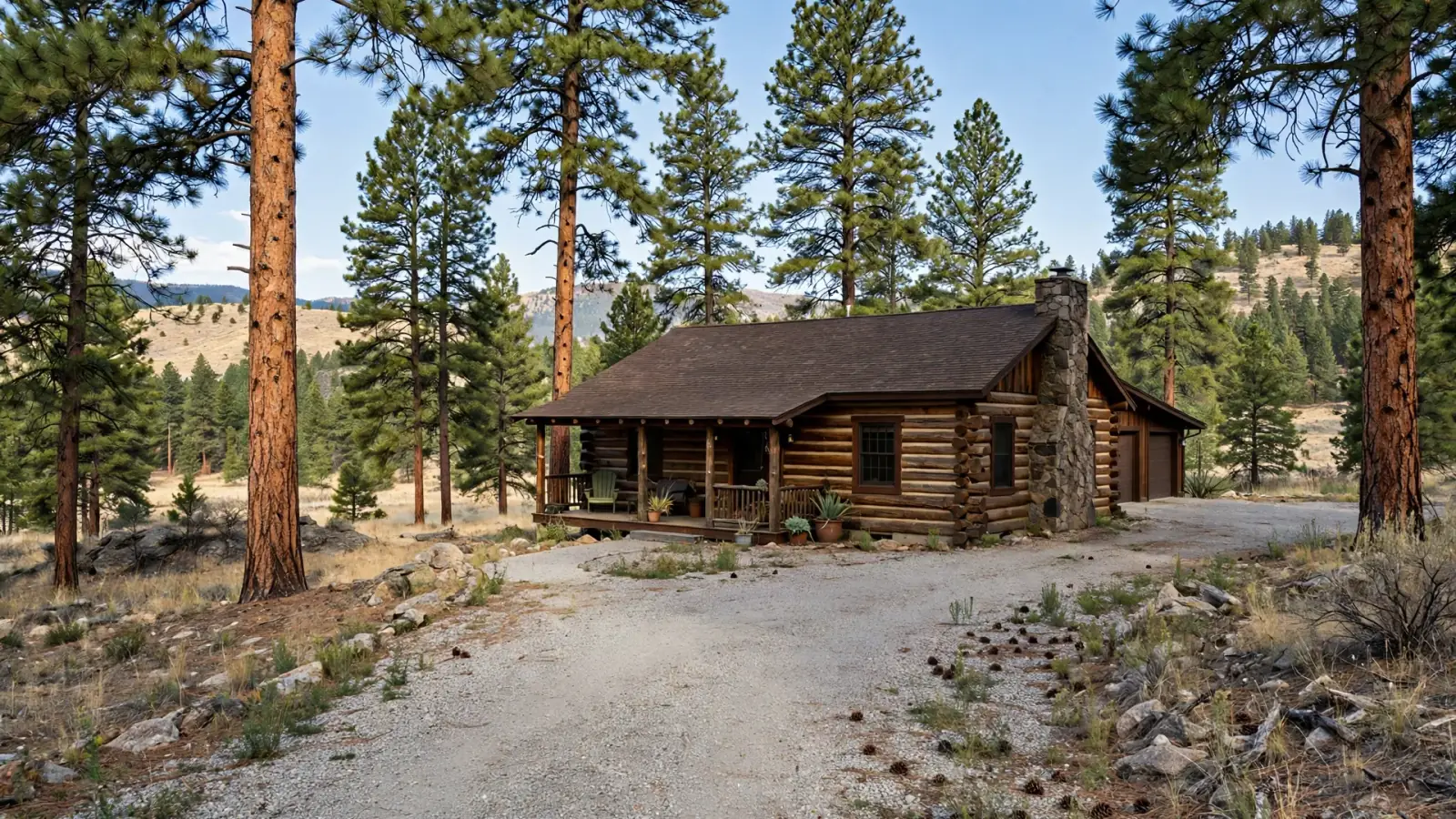
Key facts: Odor Removal in Black Forest
- Unsealed and rough-sawn wood absorbs smoke odor more than painted drywall, and often needs sealing after cleaning.
- Wildfire smoke drawn in through vents and gaps can leave odor throughout a house that never burned.
- The EPA warns that ozone generators sold as air cleaners can irritate the lungs and do not remove most indoor pollutants.
- Odor is removed by taking out residue first, then treating the air and checking the house closed up.
Why wood holds odor
Why smoke smell lingers in timber-rich homes
Smoke odor comes from residue lodged in materials, and wood is one of the most absorbent materials in a house. Rough-sawn paneling, log walls with checks and cracks, beams and the unfinished interiors of cabinets all take in odor and release it slowly, especially when warm. In a great room with a loft, warm air carries that smell upward, so upper rooms and the highest boards smell strongest in the afternoon.
That is why spraying or fogging alone does not last in these homes. The odor removal process here centers on cleaning the wood, sealing what cannot be cleaned, removing soft materials that hold smell, and only then treating the air.
Hiding places
Where smoke odor hides on a Black Forest property
- Log checks and board jointsCracks in logs and grooves in ceilings hold residue and smell.
- Loft carpet and beddingRising warm air leaves odor in upstairs fabrics.
- Wood boxes and hearth areaAsh and soot near the stove keep releasing smell.
- Ducts and the furnaceSystems that ran during a fire or forest smoke spread odor each time they cycle.
- OutbuildingsBarns and workshops near the house can hold smoke in stored hay, feed and gear.
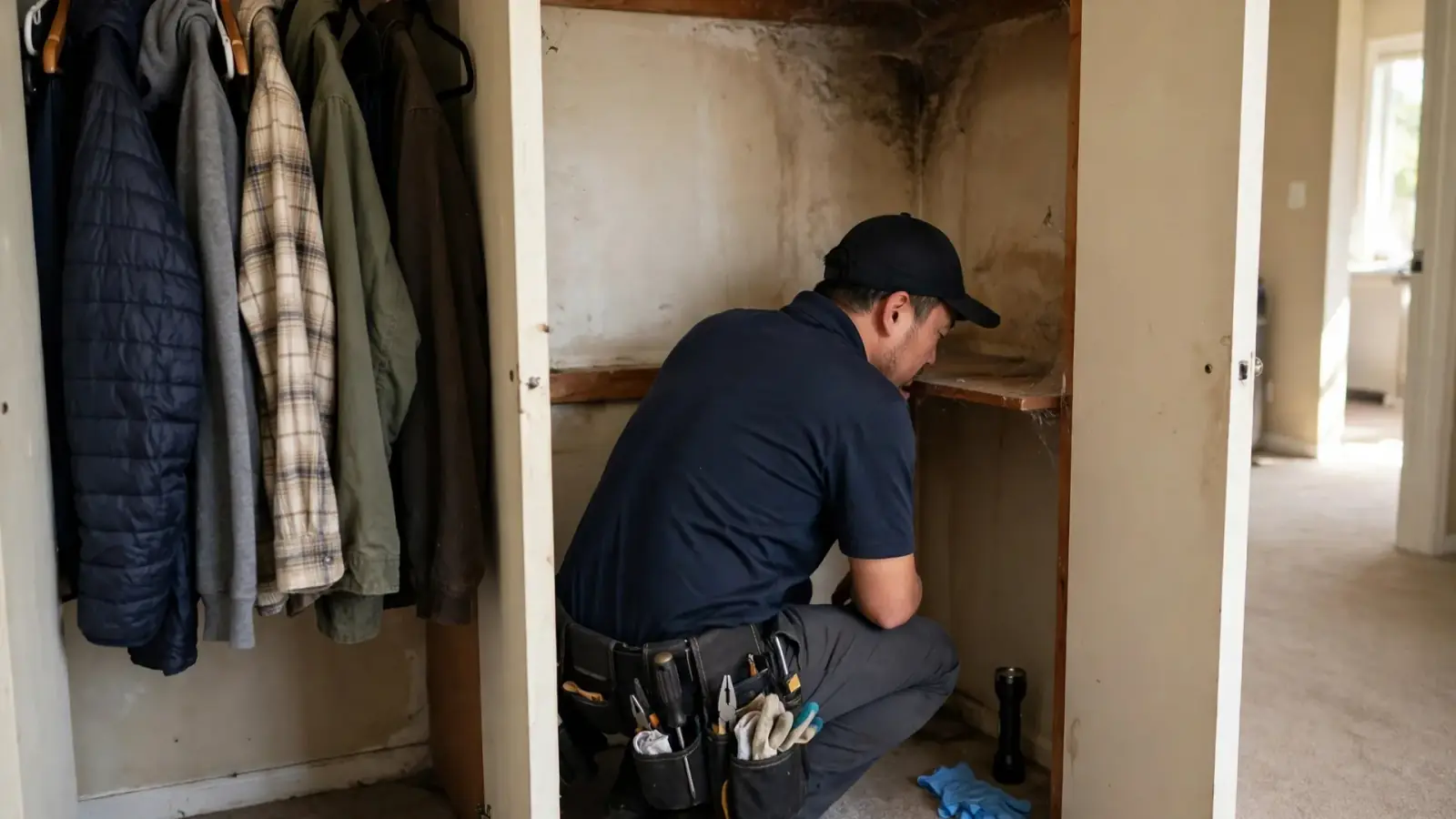
Process
How odor is removed from a wood-heavy home
- 1
Find the sources
A closed-house walk-through on a warm day shows which rooms and surfaces carry the smell.
- 2
Clean wood surfaces
HEPA vacuuming and dry sponging along the grain, then cleaners matched to each finish.
- 3
Seal or refinish
Raw wood that still smells is sealed with an odor-blocking product or lightly refinished.
- 4
Remove soft sources
Carpet pad, insulation and foam items that hold smell are replaced.
- 5
Clean ducts and the stove area
Filters changed, ducts cleaned if needed, and the hearth cleaned of ash.
- 6
Treat and test
Air scrubbing or hydroxyl treatment, then another closed-house check.
Forest fire smell
Odor after a fire in the pines
When smoke comes from the forest, the smell is everywhere at once: in curtains, sofas, rugs and clothes, in the attic and the garage. The 2013 Black Forest Fire filled many surviving homes this way. Replacing the furnace filter, HEPA vacuuming, laundering fabrics and cleaning ducts that hold ash usually clears it; the wildfire smoke damage page covers the process. Keep windows shut while outdoor air is still smoky, and air the house out only once the air has cleared.
Avoid ozone machines in an occupied house. The EPA points out that ozone irritates the lungs and has little effect on most indoor pollutants at levels that are safe to breathe. Professionals who use ozone do so only in empty buildings.
Clues
Reading the smell in a forest home
| When it smells worst | Likely source |
|---|---|
| Warm afternoons in the loft | Upper wood surfaces, loft carpet |
| When the furnace runs | Ducts and filter |
| Near the stove on windy days | Ash in the hearth or a draft problem |
| In the mudroom or garage | Ash tracked in, stored gear |
Outbuildings
Smell in barns and workshops
Uninsulated outbuildings hold odor in what is stored inside them rather than in their walls. Hay and feed exposed to smoke should be checked before use, and gear such as saddles, tack and tarps may need washing. Ventilating the building on clear days helps a great deal. More about rural properties is on the Black Forest area page.
FAQ
Smoke odor questions in Black Forest
Why does my log home still smell of smoke after cleaning?
Residue in log checks, board joints or unsealed wood keeps releasing odor. Sealing or refinishing those surfaces is often what finally stops it.
Can wood paneling be deodorized without replacing it?
Usually. Cleaning followed by an odor-blocking sealer works for most paneling; badly damaged boards may be replaced.
Does wildfire smoke smell need professional help?
Light odor often clears with filters, HEPA vacuuming and laundry. Smell from ducts, attics or throughout the house usually needs a contractor.
Is ozone safe in a home with pets?
No. Ozone irritates lungs. Professionals use it only in empty buildings, if at all.
Can smoky hay be fed to animals?
Check with a veterinarian or extension office before feeding hay or feed exposed to smoke or heat.