Key facts: Stetson Hills
- Stetson Hills is an east-side Colorado Springs neighborhood in ZIP 80923, with subdivisions beside open grassland.
- On May 12, 2022, a grass fire in Stetson Hills forced about 500 homes to evacuate and burned about 30 acres.
- Grass fires spread quickly in wind and expose homes to heat and smoke, especially fences, siding and windows facing open space.
- Most house fires start with cooking, heating or electrical equipment, so interior fires remain the main source of damage.
Coverage
Stetson Hills and nearby east-side areas covered
This page focuses on ZIP 80923. Many other east-side ZIPs are covered too; ask on the call about your address.
- Stetson Hills (80923)The neighborhood along Stetson Hills Boulevard and its surrounding subdivisions.
- Ridgeview and nearby subdivisions (80923)Neighborhoods inside the same ZIP, including the area where the 2022 fire started.
- Areas toward Banning Lewis Ranch (80927 and 80938)Newer subdivisions farther east, also on the coverage list.
- Areas toward Powers Boulevard (80922 and 80920)Neighborhoods to the west and north of Stetson Hills on the coverage list.
Grass fire
The 2022 grass fire in Stetson Hills
On May 12, 2022, a grass fire started in the Stetson Hills area, inside the Ridgeview neighborhood, on a day of dry conditions. [1] It spread through open grass between homes, burned about 30 acres and prompted the evacuation of about 500 homes. Firefighters contained it that night. Fire officials reported damage to a small number of homes, a reminder that grass fires can reach houses even in the middle of the city.
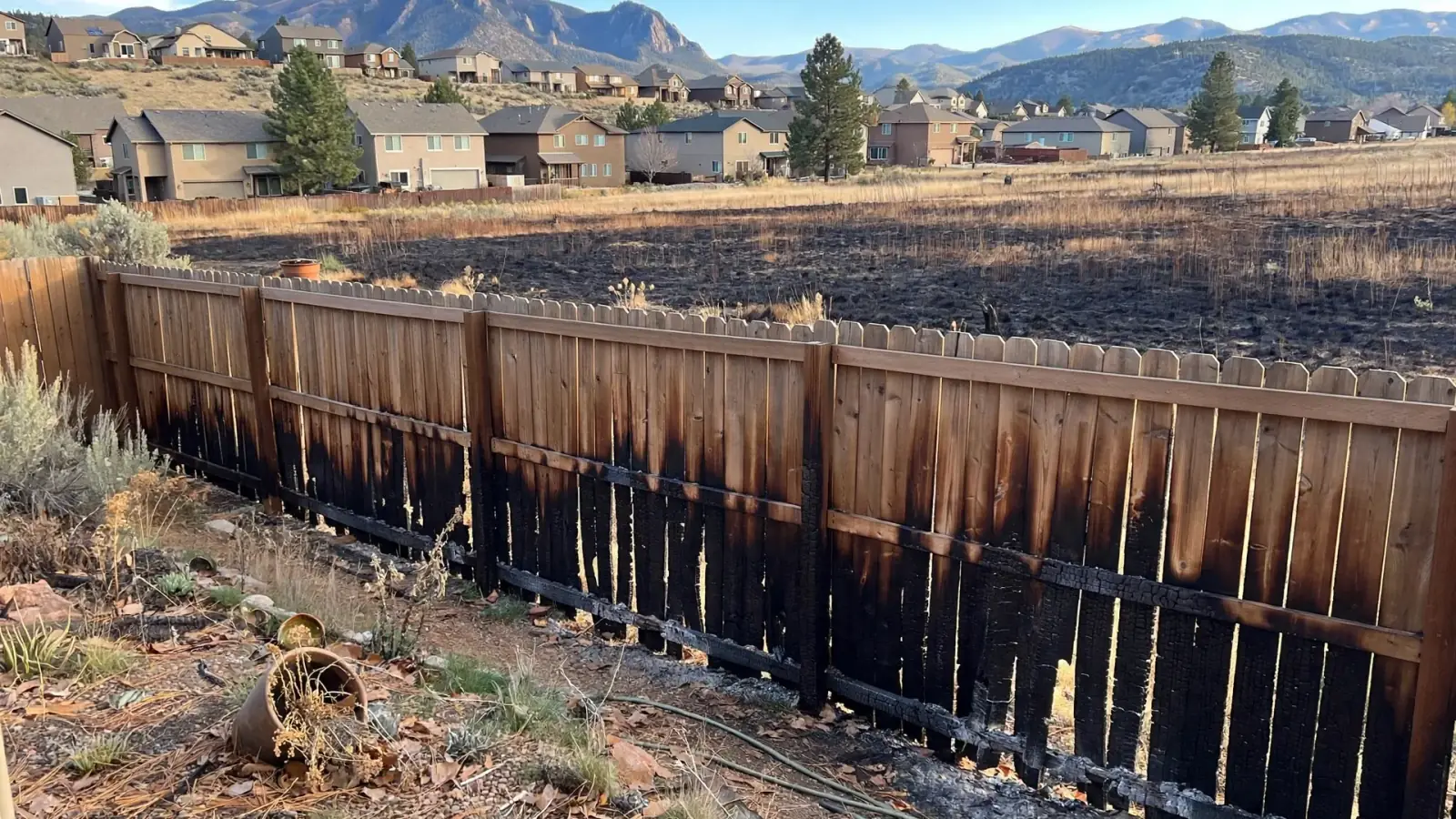
The east side's grasslands and open spaces, parks and drainage corridors carry fine, fast-burning fuel. In wind, a grass fire can move faster than a person can run, and it throws heat and smoke at the backs of homes along the open space. Fences, decks, vinyl siding and windows on that side take the brunt. Smoke can enter homes far from the flames through windows, vents and HVAC systems.
Housing
How Stetson Hills homes are built
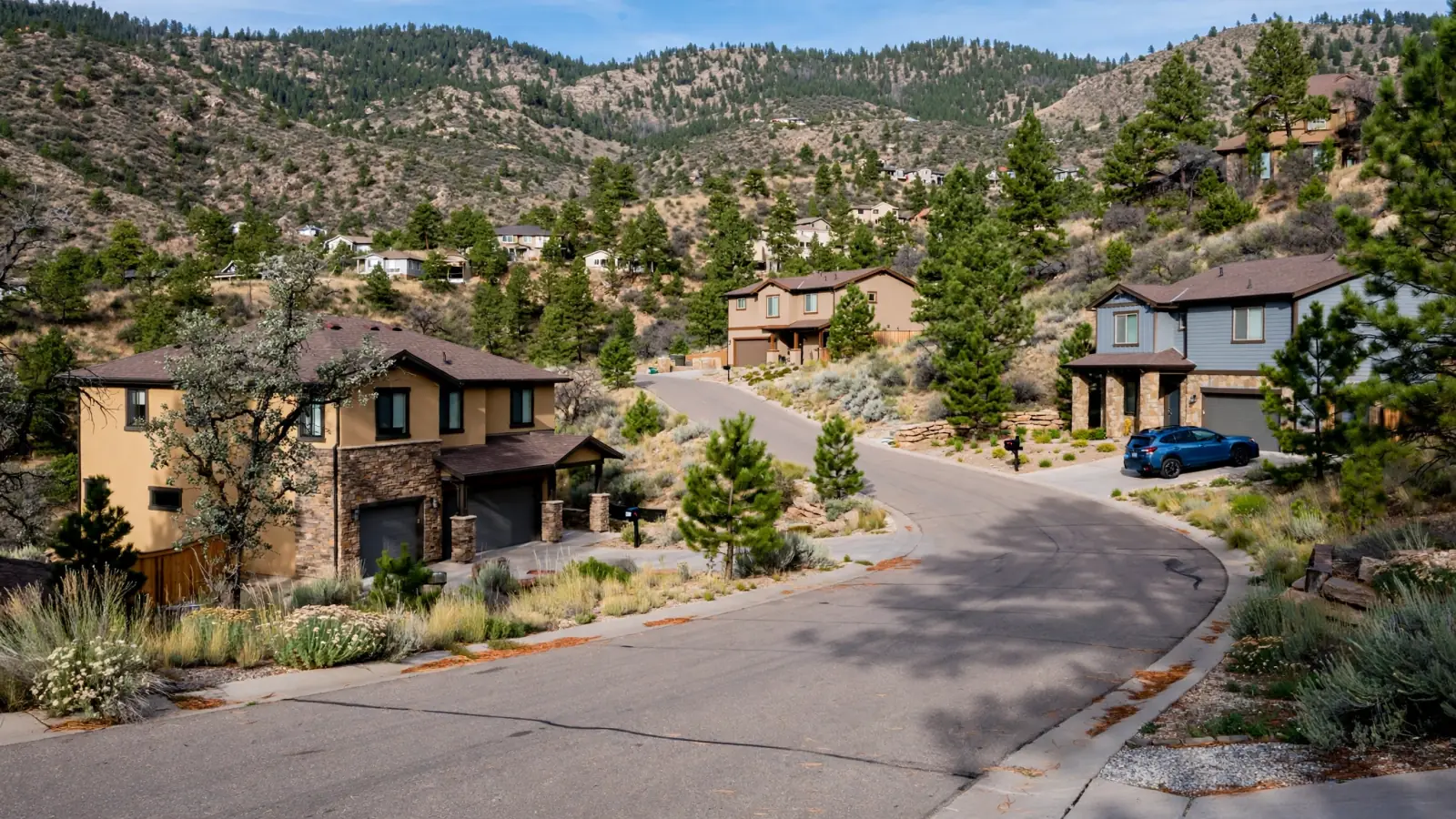
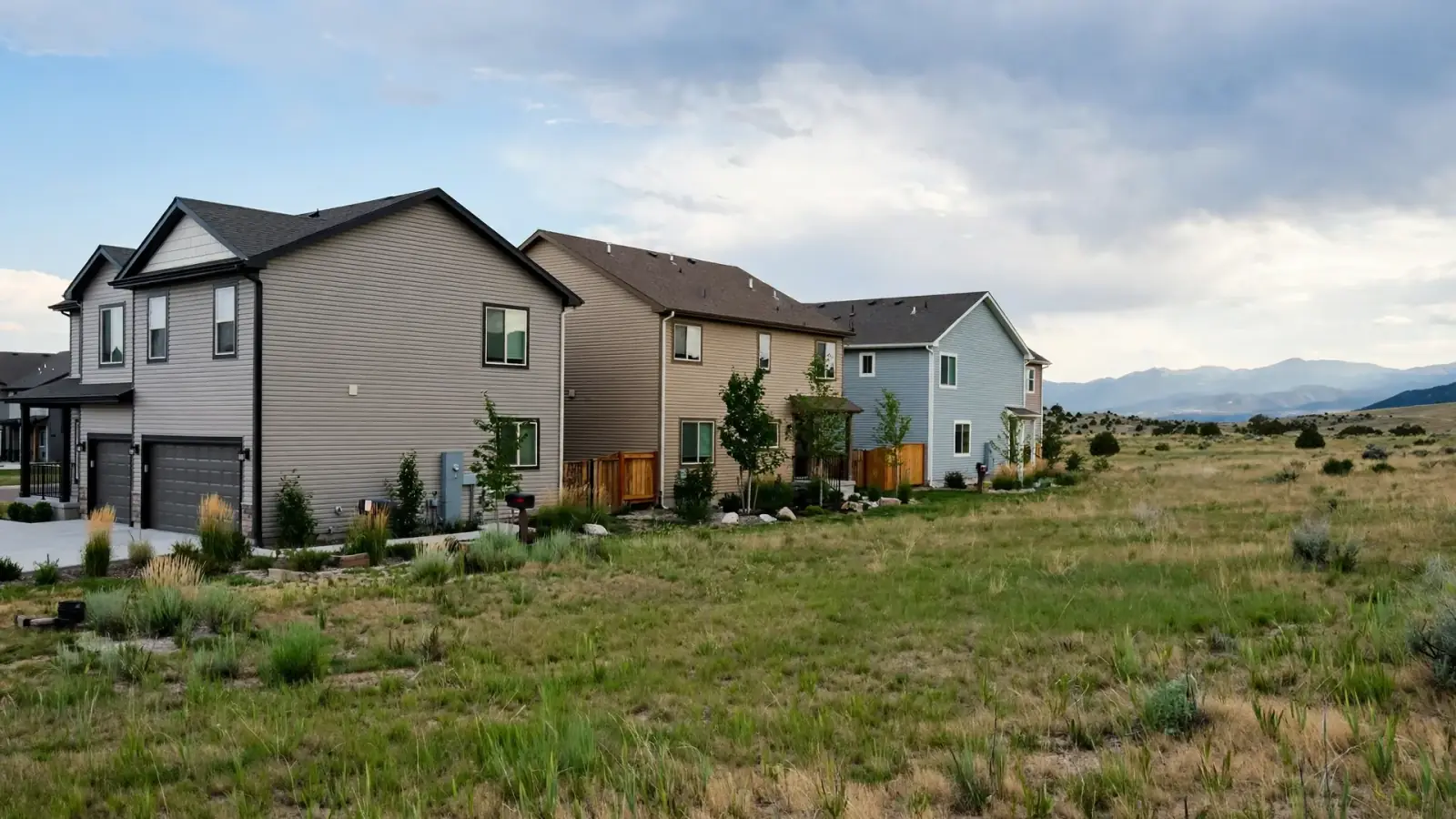
Homes in Stetson Hills are mostly two-story and ranch-style wood-frame houses built from the late twentieth century onward, typically with vinyl or fiber-cement siding, asphalt shingle roofs, attached two- or three-car garages, open main floors and full basements, many of them finished. Forced-air gas furnaces and central air are standard. Wood privacy fences line many backyards, and some backyards face open space or parks.
These features shape fire damage and restoration. Open main floors let smoke from a kitchen fire fill the whole level. Attached garages are a common origin for fires and share a wall and sometimes a ceiling with living space. Finished basements collect firefighting water. Vinyl siding and plastic fixtures melt and warp from heat well before they burn.
Common damage
Typical fire damage in Stetson Hills homes
Kitchen fires
Cooking fires leave protein residue and odor throughout open main floors.
Garage fires
Vehicles, stored fuel, tools and batteries create heavy, oily soot that spreads into the house.
Melted vinyl siding
Heat from a grass fire, a burning fence or a neighbor's fire warps and melts vinyl siding and trim.
Burned fences and decks
Wood fences and decks along open space are the first things a grass fire reaches.
Smoke through the HVAC system
Smoke from outside is drawn in through vents and the furnace.
Water in finished basements
Firefighting water from the main floor ends up in basement bedrooms and family rooms.
Exterior
Vinyl siding, fences and exterior damage from grass fires
Vinyl siding is the most common exterior on many east-side homes, and it reacts quickly to heat. Panels sag, warp or melt when exposed to radiant heat from a burning fence, grass or a neighbor's house, sometimes without the sheathing behind them being damaged. Window frames, vents, light fixtures and gutters made of plastic can also deform. Wood fences and decks burn and carry fire toward the house.
After a grass fire, walk the side of the house facing the open space and photograph any warped siding, cracked windows, melted fixtures and burned fences. Replacing melted siding usually means matching color and profile, which can be difficult on older installations. Consider more heat-resistant materials for fences and siding near open space when repairs are planned.
Restoration steps
Restoring a Stetson Hills home after fire or smoke
- 1
Officials give the all-clear
Wait for the fire department's release or for the evacuation order to lift; check yards for smoldering debris. [5]
- 2
Cover windows and siding
Board broken windows and cover damaged siding or roof areas so wind and weather stay out.
- 3
Document
Photograph the exterior, fences, rooms, the garage and basement before cleanup.
- 4
Water first
Extract firefighting water from the basement and start drying immediately.
- 5
Smoke and soot
Clean main floors with air filtration and dry-first methods; treat kitchen protein residue with degreasing.
- 6
HVAC
Replace the filter and inspect ducts and the furnace, which is often in the basement.
- 7
Odor and contents
Treat remaining odor and clean or pack out belongings.
- 8
Repairs
Replace drywall, flooring, siding and fences as needed; permits go through the regional building department.
Damage by source
What different fires usually mean for an east-side home
| Source | Common damage | Usual services |
|---|---|---|
| Grass fire behind the house | Burned fence, melted siding, cracked windows, smoke inside | Board-up, exterior repair, smoke cleanup |
| Kitchen fire | Protein residue on main floor, odor, some soot | Smoke and soot cleanup, odor removal |
| Garage fire | Heavy soot, damage to shared wall and room above | Board-up, soot removal, rebuild |
| Upstairs bedroom fire | Water through main floor into basement | Water extraction, drying, cleanup |
| Wildfire smoke from elsewhere | Odor, fine ash, dirty filters | Filters, cleaning, odor treatment |
Basements
Finished basements and firefighting water
Finished basements are a defining feature of many east-side homes, with bedrooms, family rooms and storage. Firefighting water from the main floor finds its way down through floor penetrations, stairways and duct openings, soaking carpet, pad, drywall and insulation. Because basement walls sit against cool concrete and air movement is limited, they dry slowly and invite mold if left wet.
Expect wet carpet pad to be removed, the lower part of wet drywall to be cut out, and dehumidifiers to run until the concrete and framing read dry. The furnace and water heater are often in the basement too and should be checked if water reached them. See water damage from firefighting.
Kitchens
Kitchen fires in open-plan homes
Cooking is the leading cause of home fires, according to NFPA, and in an open-plan house the whole main floor shares the same air. [2] A pan fire on the stove can coat the kitchen, family room, dining area and the stairwell with thin, greasy protein residue and a sharp odor, even if the flames never left the stovetop. The residue is hard to see but easy to smell, and it settles on cabinet tops, ceilings, light fixtures and fabrics.
Cleaning means degreasing every surface on the main floor, inside cabinets as well as out, cleaning or replacing the range hood filter, and often sealing raw wood inside cabinets. The smoke damage cleanup and odor removal pages explain the details.
Prevention
Reducing fire risk in east-side homes
- Keep grass, weeds and debris trimmed along fences and between the house and open space.
- Move firewood, propane cylinders and flammable items away from fences and the house.
- Never dump fireplace or fire-pit ashes in the yard or trash; let them cool fully in a metal container.
- Do not leave cooking unattended, and keep a lid nearby to smother pan fires.
- Charge e-bikes, scooters and tool batteries following the manufacturer's directions, away from exits.
- Install smoke alarms on every level, including the basement, and test them monthly.
Insurance
Insurance for Stetson Hills homeowners
Exterior damage from a grass fire, such as fences, siding and windows, and interior smoke damage are usually part of the same claim but should be documented separately. Fences may be covered under other structures on many policies. Photograph everything before cleaning, keep receipts for temporary housing and supplies, and ask the contractor for a written scope. See working with your insurance adjuster.
On the call
What to mention when calling about a Stetson Hills home
- 1
Address
Your 80923 address or cross streets, and whether the house backs onto open space.
- 2
What happened
Grass fire, kitchen fire, garage fire, or smoke from elsewhere.
- 3
Which rooms are affected
Main floor, upstairs, basement, garage, exterior and fences.
- 4
Current state
Release from the fire department, utilities, and any open windows or damaged siding.
Wind
Why east-side wind makes grass fires dangerous
The plains east of the Front Range are open and windy. Strong westerly and downslope winds are common in late winter and spring, the same season when last year's grass is dry and the new growth has not yet greened up. Under those conditions, a spark from a vehicle, a mower blade striking a rock, a discarded cigarette or hot ashes can start a fire that runs through grass faster than crews can get ahead of it. Smoke from these fires is thick, low and fast-moving, and it can reach houses before the fire does.
Wind also affects restoration. Loose tarps, plywood and plastic sheeting need firm fastening, and dust and ash blow around easily during cleanup. Contractors working on the east side usually plan for wind when securing a house and when setting up containment around work areas.
Smoke inside
Smoke cleanup after a grass fire nearby
Grass-fire smoke is usually short-lived but intense. If windows were open or the furnace or air conditioning was running, a house can fill with smoke in minutes. The residue tends to be light and dry, with fine ash on sills and floors and odor in fabrics and carpet, rather than the heavy soot of a house fire. Rooms on the side facing the fire, and the garage if the door was open, typically take the most.
Cleanup follows the wildfire approach: replace filters, HEPA-vacuum, damp-wipe hard surfaces, wash fabrics and check the ducts. Most of this is lighter work than an interior fire, but odor in carpet and upholstery may need professional cleaning. See wildfire smoke damage for the process.
Garages
Attached garage fires in east-side homes
Attached garages in east-side subdivisions are often large, holding two or three vehicles plus tools, sporting equipment, freezers and household storage. That concentration of fuels, plastics, rubber and batteries makes garage fires smoky and hot. The shared wall with the house and the ceiling under any bonus room above are the parts most likely to need replacement, and soot often pushes through the house door and up the stairs.
Restoration usually involves clearing the garage, replacing burned drywall and insulation, cleaning soot from the structure, and cleaning the adjoining rooms of the house. Code typically requires fire-rated drywall and a self-closing door between a garage and the house; repairs should restore that separation. Ask the contractor how the rebuild will meet current requirements.
Contents
Belongings in east-side homes after a fire
- Basement storageBoxes on basement floors absorb firefighting water and should be moved out and sorted quickly.
- Garage contentsTools and equipment exposed to heat need checking; batteries and fuel need careful handling.
- Children's roomsToys, bedding and clothing often need cleaning or replacing after smoke.
- ElectronicsKeep TVs, computers and game consoles unplugged until checked for residue.
- Outdoor furniture and grillsItems along the fence line may be melted or scorched by a grass fire.
Nearby areas
Areas near Stetson Hills
North of Stetson Hills, Black Forest has forest-fire rather than grass-fire risk. On the far side of the city, Mountain Shadows shows what a wind-driven wildfire can do to a suburban neighborhood.
Timeline
A typical restoration timeline for an east-side home
Every job is different, but restorations in newer east-side houses tend to follow a predictable rhythm. The first day or two cover securing the house, documenting damage and starting water extraction if the basement is wet. Drying usually runs for several days, with daily moisture readings, while smoke and soot cleaning begins on floors that are dry. Contents are cleaned in place or packed out during the first week or two. Odor treatment follows cleaning, and repairs such as drywall, flooring, cabinets, siding and fences come last, after permits where they are needed.
Newer houses often move faster than older ones because materials are standard and easy to match, there is usually no lead paint, and access for equipment is straightforward. The main sources of delay are waiting for insurance approvals, ordering matching siding or cabinets, and scheduling trades for the rebuild. Ask the contractor for a written schedule and update it as the job moves along.
Keep in mind that drying times depend on the season. In summer, warm air speeds evaporation but also speeds mold growth if drying is delayed. In winter, the house may need temporary heat to dry effectively, especially in a basement against cold foundation walls.
FAQ
Stetson Hills fire damage questions
Can a grass fire damage homes in Stetson Hills?
Yes. In May 2022 a grass fire inside the neighborhood forced about 500 homes to evacuate. Grass fires spread fast in wind and damage fences, siding and windows facing open space.
Why did my vinyl siding melt when the fire never touched the house?
Vinyl softens and warps from radiant heat well below the temperature at which it burns. A nearby burning fence or grass can melt it.
Is my fence covered by insurance after a grass fire?
Many policies cover fences under other structures, but terms vary. Photograph the damage and ask your insurer.
How do I clean smoke from an open-plan main floor?
The whole level needs cleaning, not just the kitchen. Protein residue from cooking fires needs degreasing on every surface, including cabinet interiors.
What should I do about water in my finished basement after a fire?
Have it extracted and dried quickly. Wet carpet pad and the lower part of soaked drywall are usually removed to let walls dry.
Are lithium-ion batteries a risk after a garage fire?
Yes. Damaged batteries can reignite. Tell the fire department and contractor, and do not move them yourself.
Can smoke from a grass fire get inside a closed house?
Yes, through vents, gaps and the HVAC system. Replace the filter and clean surfaces and fabrics.
How soon should a Stetson Hills basement be dried after firefighting?
As soon as the fire department releases the house. The EPA advises drying wet materials within 24 to 48 hours to help prevent mold, and basements against cool concrete are slow to dry on their own.
Do I need a permit to repair fire damage in Stetson Hills?
Cleaning does not usually need one, but structural, electrical, plumbing, mechanical and roofing repairs generally do. Your contractor should tell you which permits apply and pull them where required.
Can melted vinyl siding be repaired or must it be replaced?
Melted or warped panels are replaced. Matching the color and profile can be difficult on older installations, so sometimes a whole wall is re-sided for a consistent look.
Does smoke from a garage fire reach the bedrooms above it?
Often, yes. Rooms over an attached garage share a ceiling and sometimes ductwork with it, so they are inspected and cleaned as part of the job.
Drainage corridors
Open space and drainage corridors on the east side
Many east-side subdivisions are threaded with drainage channels, detention ponds, trails and parks. These corridors are valued green space, but in a dry season their tall grasses carry fire into the middle of neighborhoods, which is how a fire can start and spread inside a subdivision rather than at its edge. Homes that back onto these corridors share the same exposure as homes on the outer edge of the city.
If your yard borders a corridor, keep the strip along your fence trimmed and clear of debris, avoid storing firewood or propane against the fence, and consider a noncombustible gap between the fence and the house. After a fire along a corridor, check not only the back of the house but also the fence posts, deck supports and any wood structures touching the ground, which can smolder for hours after the grass fire passes.
Local resources
Who to contact after a fire in Stetson Hills
- Colorado Springs Fire DepartmentRelease of the property after a fire, wildfire risk information and mitigation guidance.
- Colorado Springs UtilitiesGas, electric and water service shut-off and restoration for city addresses.
- Your insurerClaim reporting, adjuster visits and living expense coverage questions.
- Regional building departmentPermits and inspections for repairs beyond cleaning.