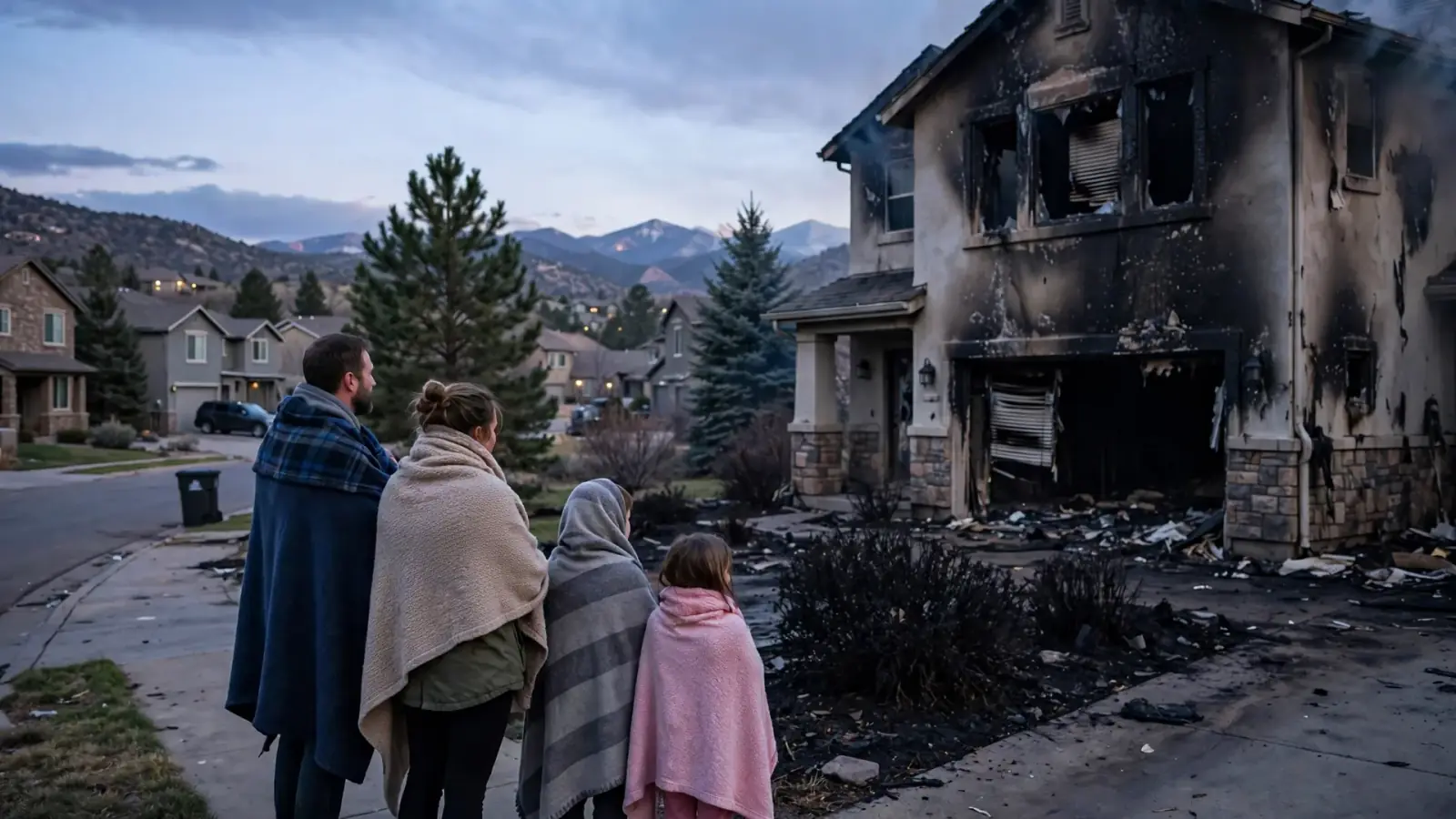
Key facts: What to do after a house fire
- Do not re-enter a fire-damaged home until the fire department says it is safe.
- The U.S. Fire Administration's guide After the Fire covers the first 24 hours, insurance, valuing property and replacing documents.
- Call your insurer as soon as you can, and ask about living expense coverage if you cannot stay in the house.
- Secure the house against weather and trespass, and photograph everything before cleanup begins.
Right away
The first hour: safety and a place to stay
The first priority is people. Make sure everyone who lives in the house, including pets, is accounted for, and get medical care for anyone who breathed smoke, was burned or feels unwell. Smoke inhalation can cause symptoms that appear hours later, so take coughing, headaches, confusion or shortness of breath seriously.
Do not go back into the house until the fire department tells you it is safe. Fire can rekindle in hidden spaces, floors and ceilings can be weakened, and the air can still be harmful. Ask the fire officer whether utilities were shut off and whether you may enter briefly to retrieve essentials such as medicines, glasses, documents and phones.
If you cannot stay in the house, arrange somewhere to sleep with family or friends, or ask the fire department about local disaster relief agencies that help families after home fires. Keep receipts for any hotel, meals and essentials you buy, because many insurance policies reimburse additional living expenses when a home is unlivable.
The first day
The first 24 hours after a house fire
- 1
Get the fire report details
Ask the fire department for the incident number and how to obtain a copy of the report; your insurer will want it.
- 2
Call your insurer
Report the fire, get a claim number and ask what they need from you, including whether they want to see the house before cleanup.
- 3
Ask about living expenses
Ask whether your policy covers additional living expenses and what records you should keep.
- 4
Secure the property
Arrange board-up and tarping for broken windows, forced doors and roof openings.
- 5
Photograph everything
When it is safe, photograph and video every room, closets and the exterior before anything is moved.
- 6
Protect what is left
Remove valuables, documents and medicines; discard food and medicine exposed to heat, smoke or water.
Insurance
Talking to your insurance company
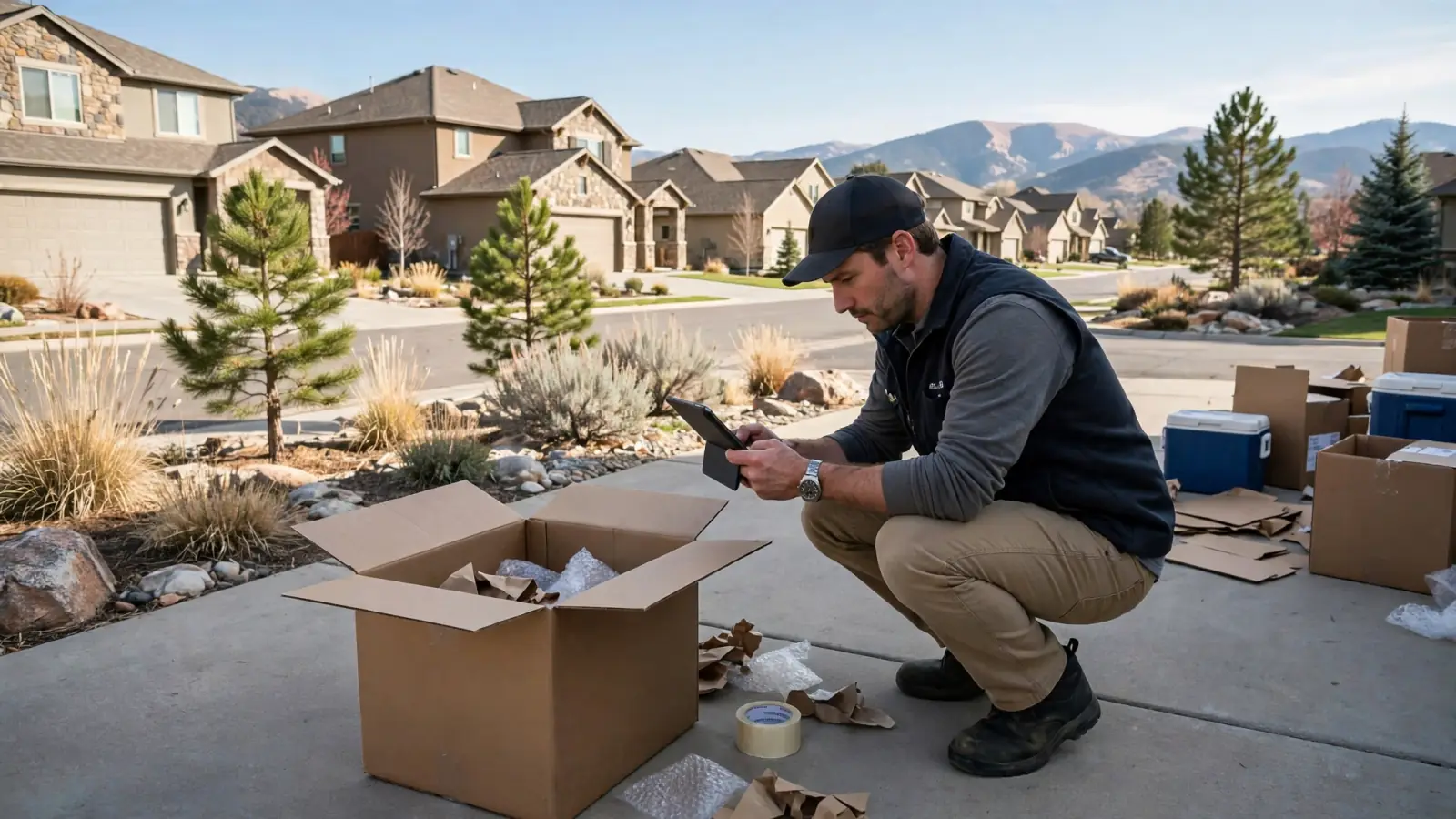
Read your policy, or ask your insurer for a copy, so you know what is covered: the structure, your belongings, other structures such as fences and garages, and additional living expenses. Ask how the claim process works, who your adjuster is and when they will visit, and whether you should get estimates from contractors for the repairs.
Keep a log of every call, with the date, the person you spoke to and what was said. Keep copies of everything you send. The guide working with your insurance adjuster explains how to prepare for the adjuster's visit.
Securing
Why securing the house matters so much
A burned house is often open to the weather: windows broken, doors forced and holes in the roof. Colorado Springs weather can bring wind, hail, snow and rain on short notice, and every storm can add water damage. Empty houses also attract trespassers. Most policies expect owners to take reasonable steps to protect the property from further damage, so board-up and tarping is usually one of the first calls.
Belongings
What to take, what to leave and what to throw away
- TakeMedicines, glasses, IDs, passports, insurance papers, checkbooks, phones and chargers, and anything you need for work or school.
- LeaveItems covered in soot, which you should not wipe, and anything you may want cleaned professionally.
- Throw awayFood, drinks and medicines exposed to heat, smoke, soot or firefighting water.
- Photograph firstAnything damaged, before it is moved or thrown away, so it can be included in your claim.
Who to call
Who to contact after a house fire in Colorado Springs
| Who | Why |
|---|---|
| Fire department | Release of the property, incident number and report |
| Insurance company | Claim number, adjuster, living expense coverage |
| Colorado Springs Utilities | Gas, power and water restoration |
| Mortgage lender | Notification of the loss; insurance checks may include the lender |
| Employer and school | Time off and any support available |
| Restoration contractor | Board-up, water removal, smoke and soot cleanup |
Cleanup
Starting cleanup the right way
Smoke and soot cleanup is easy to make worse. Wiping soot with a damp cloth smears it into paint; running the furnace spreads residue through the house; leaving firefighting water in place invites mold. The restoration services overview explains each stage. The safest order is to secure the house, remove water and start drying, then clean smoke and soot with dry methods first, then treat odor.
See smoke damage cleanup, soot removal and water damage from firefighting for how each stage is done. If you are unsure whether it is safe to stay in the house while that happens, read is it safe to stay after a fire.
Documents
Replacing documents and records
Fires destroy paperwork: birth certificates, passports, Social Security cards, titles, tax records and insurance policies. The U.S. Fire Administration's After the Fire guide lists the agencies that replace common documents. [1] Start with what you need soonest, such as identification and insurance papers, and keep a list of what was lost.
Your bank and credit card statements, email receipts and online order histories can help rebuild a list of what you owned. That list becomes the backbone of the contents part of your claim.
Taking care of yourself
Looking after your family after the fire
A house fire is a traumatic event, even when nobody is hurt. Children may have trouble sleeping or worry about another fire; adults may feel overwhelmed by decisions and paperwork. That is normal. Keep routines where you can, ask for help with practical tasks, and look for support through your community, faith group, employer assistance program or a counselor. The U.S. Fire Administration points people to resources for emotional recovery as well as practical steps.
FAQ
After-the-fire questions
When can I go back into my house after a fire?
Only when the fire department says it is safe. Even then, wear a respirator and gloves, avoid sagging ceilings and floors, and keep children and pets out.
Who should I call first after a house fire?
After making sure everyone is safe, call your insurer to report the claim. Then arrange to secure the house and start water removal if needed.
Should I clean up before the adjuster comes?
Photograph everything first and ask your insurer. Reasonable steps to prevent further damage, such as board-up and drying, are usually expected; major cleanup or discarding items should wait for guidance.
Can I stay in my house after a small fire?
Sometimes, if damage is limited, utilities are safe and smoke has not spread widely. Sensitive people are better staying elsewhere until cleanup is done.
What should I throw away after a fire?
Food, drinks and medicines exposed to heat, smoke or water. Photograph other damaged items before discarding them.
Does insurance pay for a hotel after a fire?
Many policies include additional living expenses when the home is unlivable. Ask your insurer and keep every receipt.