Key facts: Broadmoor
- Broadmoor is a Colorado Springs neighborhood in ZIP 80906 that extends onto the northern spur of Cheyenne Mountain.
- Broadmoor was one of five suburbs annexed by Colorado Springs in 1980; the Colorado Supreme Court upheld the annexation in 1982.
- Neighborhoods on the city's southwest side sit next to wildland on Cheyenne Mountain and have held wildfire evacuation drills.
- Older homes may contain lead paint or asbestos-containing materials, which must be tested before they are disturbed.
Coverage
Broadmoor-area neighborhoods covered
This page covers addresses in ZIP 80906. Nearby southwest-side ZIPs such as 80905 and 80926 are also on the coverage list; ask on the call if you are unsure.
- Broadmoor (80906)The historic neighborhood around the lake and resort, with homes along Cheyenne Road and nearby streets.
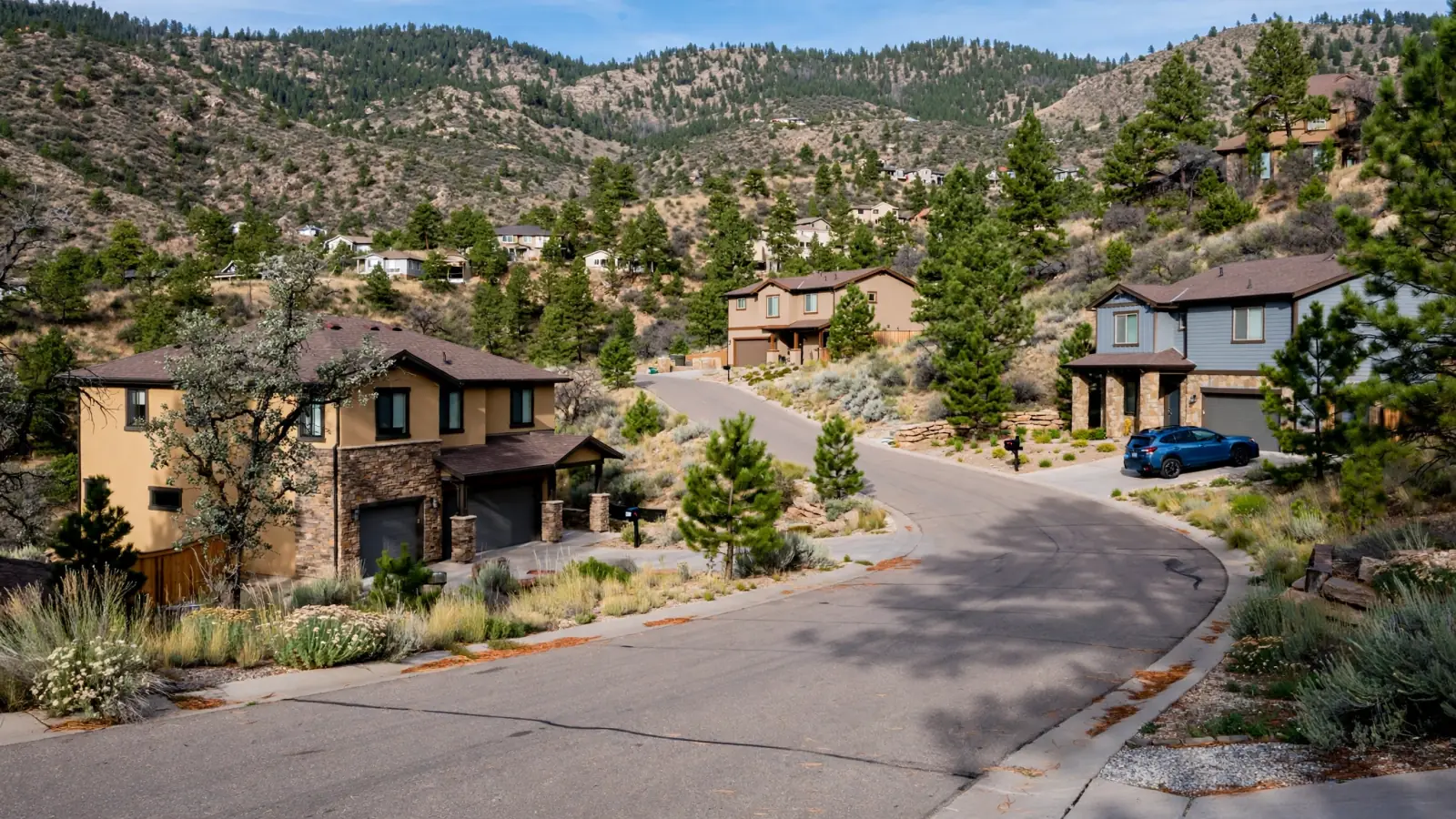
- Broadmoor Bluffs and upper slopes (80906)Hillside neighborhoods on the Cheyenne Mountain spur, closest to the wildland edge.
- Cheyenne Creek valley (80906)Homes along the creek valley leading toward Cheyenne Cañon.
- Skyway and Ivywild edges (80906)Adjacent neighborhoods to the north and northeast that share the same ZIP.
Neighborhood
Broadmoor: from dairy and resort to a hillside neighborhood
Broadmoor grew around a resort. In the 1880s, investors bought the Broadmoor Dairy and dammed Cheyenne Creek to make a lake for a planned hotel and casino; after early setbacks, the lake and casino were finished in 1897, and the Broadmoor hotel with its golf club opened in 1918. [1] By then the area was described as a fashionable suburb with large houses along Cheyenne Road. Broadmoor stayed outside the city for decades and was one of five suburbs annexed by Colorado Springs in 1980, an annexation the Colorado Supreme Court upheld in 1982.
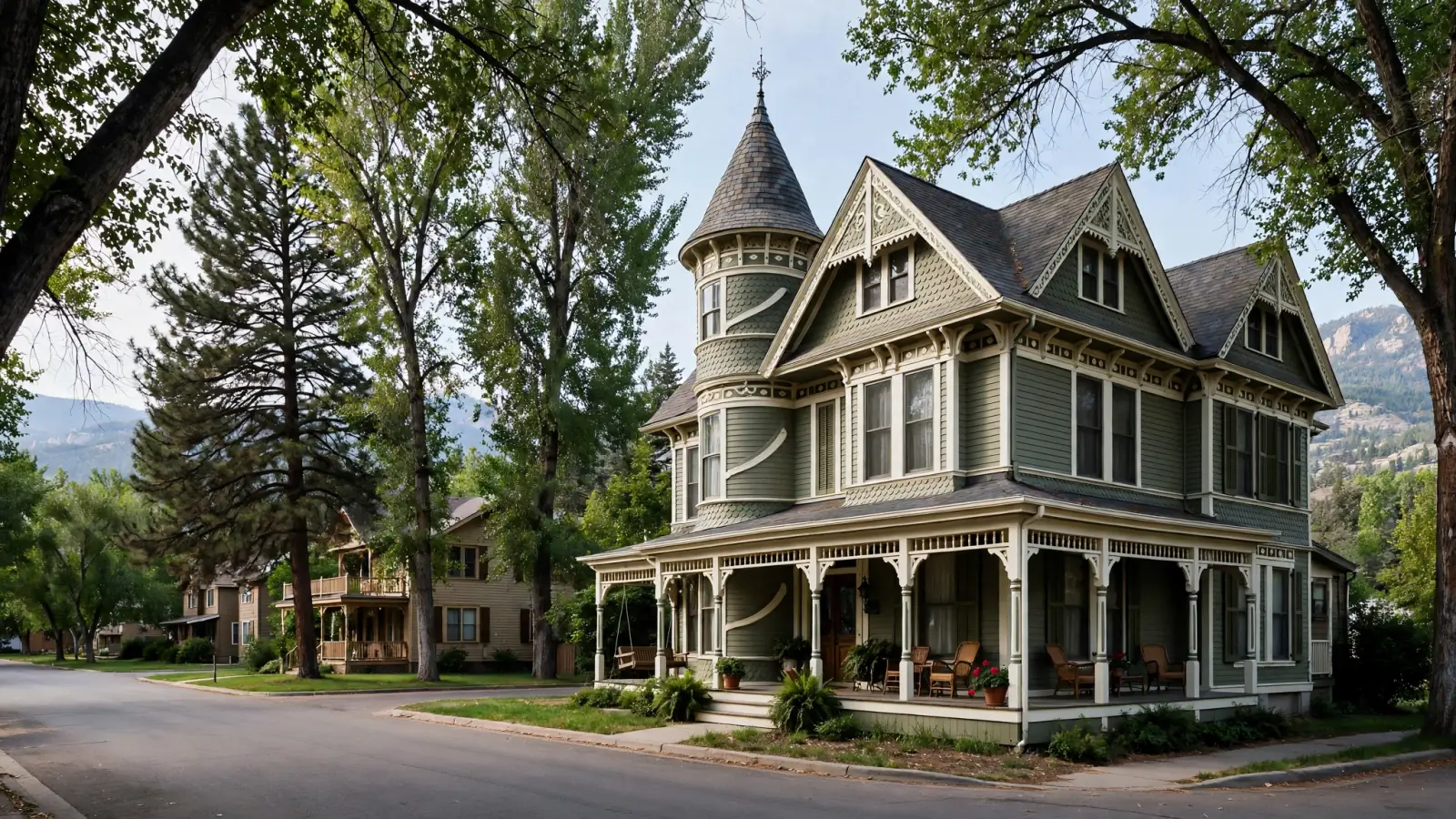
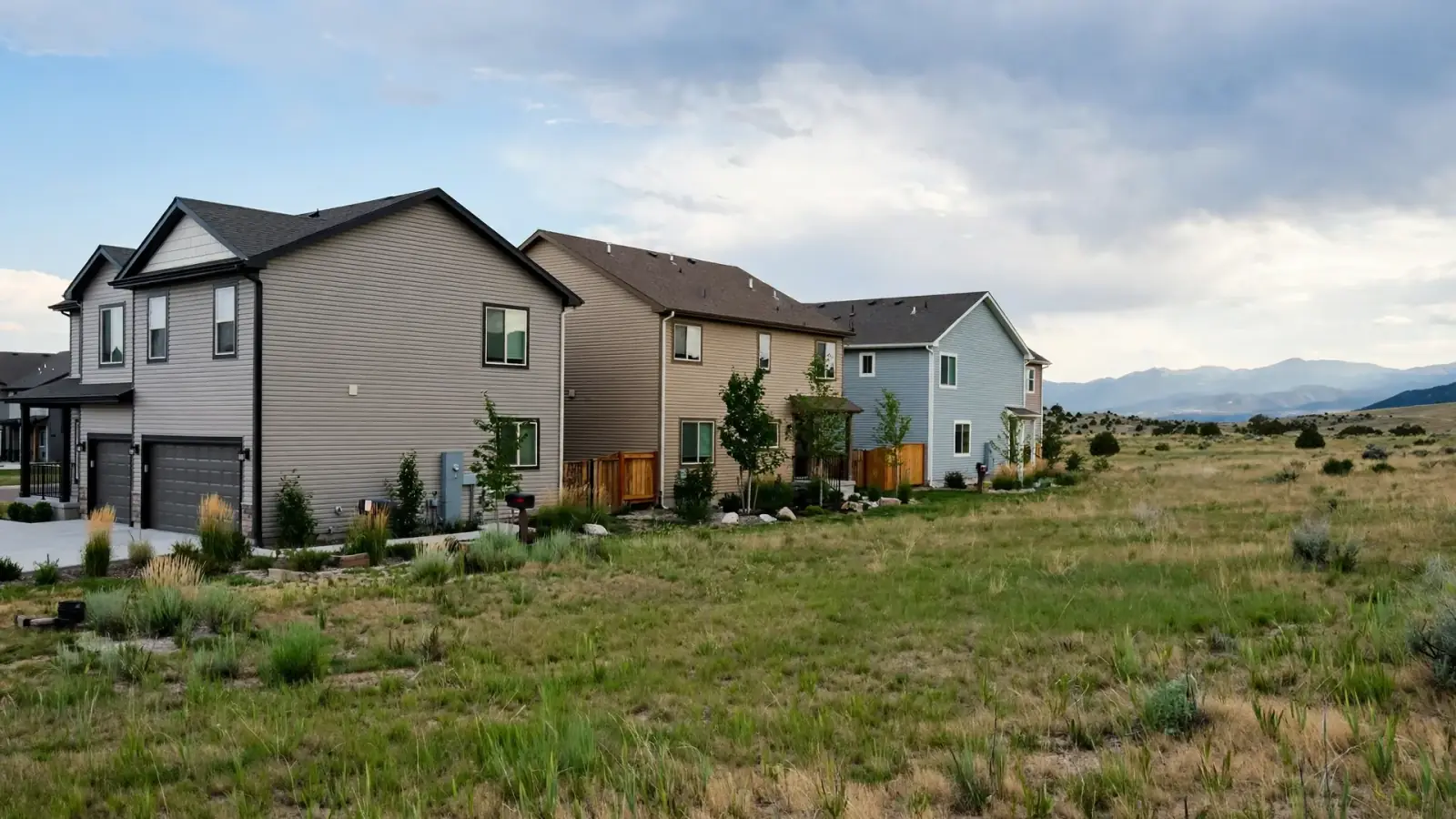
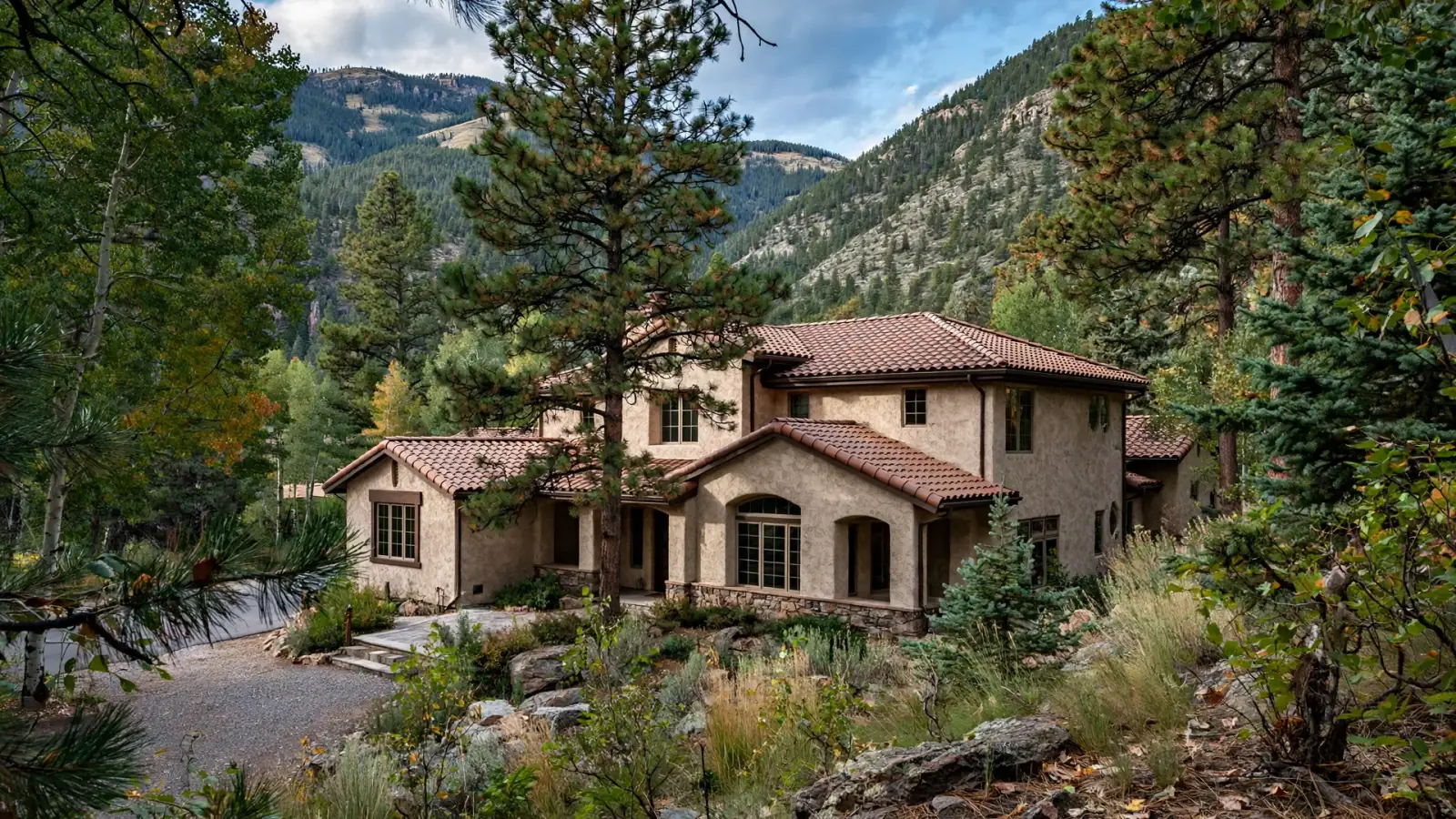
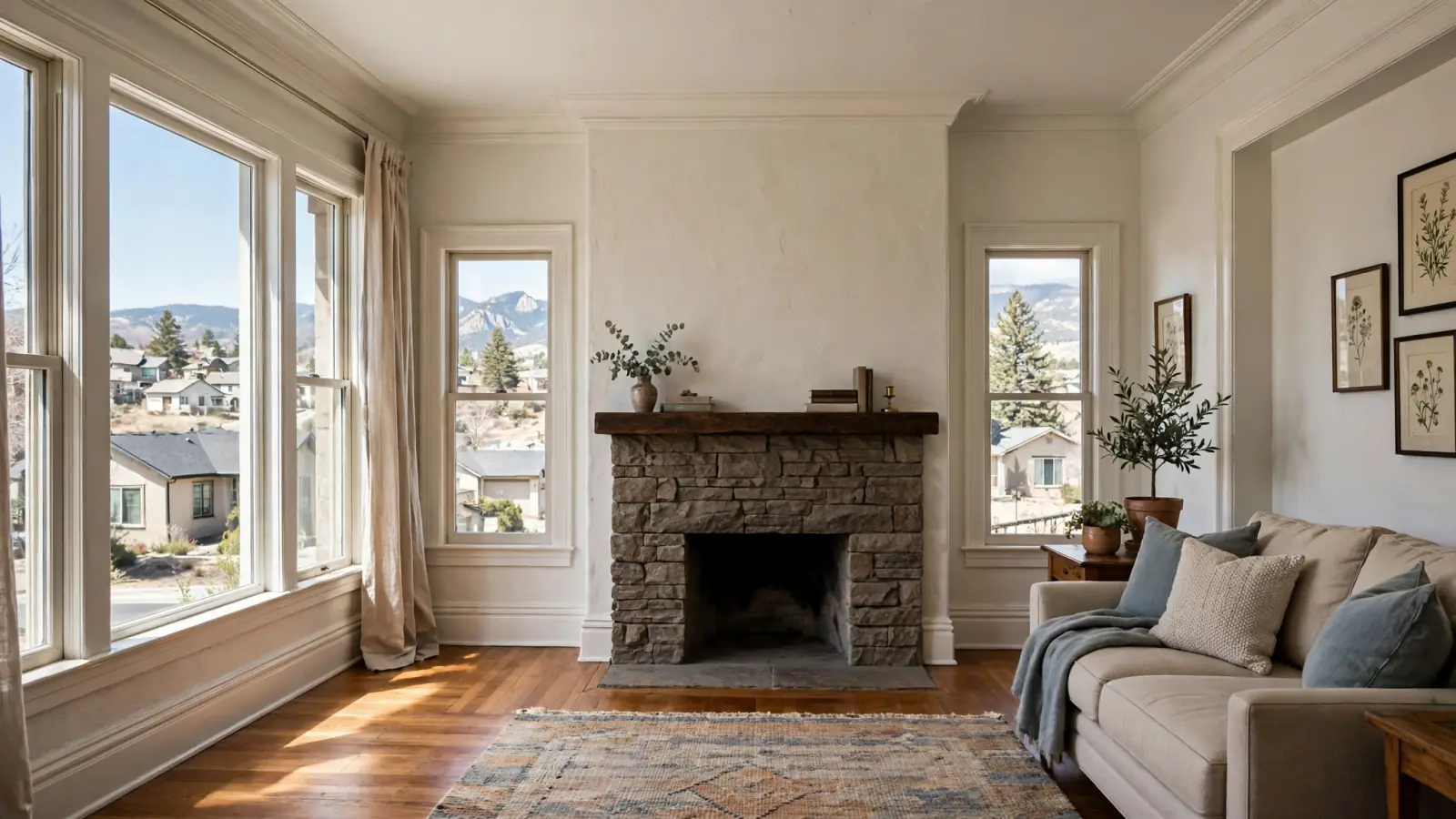
Today the neighborhood mixes early-twentieth-century estates, mid-century ranches and large later homes, many on generous lots under mature trees. As it climbs onto Cheyenne Mountain, lots get steeper and the edge with wildland gets closer. Homes in the area often have extensive interior finishes, such as plaster walls, hardwood floors, custom cabinetry and millwork, stone fireplaces, and collections of art and furnishings.
Wildfire exposure
Wildfire risk on the Cheyenne Mountain side
The southwest side of Colorado Springs sits against Cheyenne Mountain and the foothills leading to Cheyenne Cañon, which carry forest and brush. Fire officials have for years described parts of this area, including Broadmoor Bluffs, as among the city's higher-risk wildland neighborhoods because of slope, fuel and housing density, and residents have taken part in evacuation drills. The area falls within what the city treats as its wildland-urban interface, where wildfire mitigation requirements apply to new construction. [3]
No fire on the scale of Waldo Canyon has reached Broadmoor, but small fires on Cheyenne Mountain and near Cheyenne Mountain State Park have prompted pre-evacuation notices nearby. For homeowners, that means two kinds of risk: a nearby wildfire sending smoke and ash into the house, and embers igniting decks, debris or vegetation close to it. Both are covered in the wildfire smoke damage page.
Restoration concerns
What makes Broadmoor restorations different
Fine finishes
Hand-applied plaster, stained millwork, custom cabinets and specialty paint need gentle, tested methods.
Stone and masonry
Fireplaces, chimneys and stone walls absorb soot and need masonry-appropriate cleaning.
Valuable contents
Art, antiques, rugs and collections often need specialist cleaning and careful inventory.
Older materials
Homes built before 1978 may have lead paint; older textures and flooring may contain asbestos. [7] [6]
Large air volumes
Big rooms, high ceilings and multiple HVAC zones mean smoke spreads widely and cleaning takes longer.
Wildfire exposure
Proximity to Cheyenne Mountain brings smoke, ash and ember risk.
Finishes
Cleaning smoke from plaster, millwork and stone
The fine finishes in many Broadmoor homes reward patience. Plaster is harder and less absorbent than drywall, so soot can often be removed from it more completely, but decorative plaster and old paint layers need testing before any cleaner is used. Stained and varnished millwork is cleaned with mild solutions and conditioned afterward; aggressive cleaners can dull or strip the finish. Stone fireplaces and walls are vacuumed and cleaned with products made for porous masonry, accepting that some natural stone may keep faint shading.
Custom cabinetry deserves attention inside and out, because the unfinished interiors absorb odor. Specialty paints, wallpapers and murals may need a conservator rather than a restoration crew. Ask the contractor to test a small, hidden area on each finish type and show you the result before working on visible surfaces. The soot removal page explains the dry-first sequence used on all of these.
Finish guide
Common Broadmoor-home finishes and how they are usually handled
| Finish | Smoke behavior | Usual handling |
|---|---|---|
| Plaster walls and ceilings | Holds surface soot; less absorbent than drywall | Dry sponge, tested wet cleaning, seal only if needed |
| Stained wood paneling and trim | Film on finish; odor in raw backs | Mild cleaning, conditioning, seal hidden raw wood |
| Hardwood floors | Soot in finish and gaps | Clean and recoat; refinish if needed |
| Natural stone | Absorbs soot into pores | Masonry cleaners, poultices for stains |
| Wallpaper | Absorbs soot; may stain | Test; dry sponge; replace if stained |
| Fine art and antiques | Surface soot, odor | Specialist conservators |
Restoration steps
Restoring a Broadmoor home after fire or smoke
- 1
Safety and release
Wait for the fire department's release or the end of any evacuation order. Check the exterior for smoldering debris after a wildfire.
- 2
Protect the house
Secure openings, cover damaged roof areas and protect undamaged rooms with plastic barriers.
- 3
Inventory valuables
Identify art, antiques, rugs and collections first, and arrange specialist handling or pack-out.
- 4
Test finishes and materials
Test residue and finishes in each room, and test for lead and asbestos where older materials will be disturbed.
- 5
Clean in sequence
Air filtration, then dry removal, then wet cleaning, top to bottom, with finish-specific methods.
- 6
HVAC zones
Replace filters and inspect every zone; clean ducts that hold residue.
- 7
Treat odor
Treat remaining odor once residue is removed, and check the house closed up.
- 8
Repair to match
Repair or replace damaged finishes to match the originals, and meet current wildland-urban interface rules for exterior work where they apply.
Contents
Art, antiques and large collections
Contents are often a larger part of a Broadmoor restoration than the structure. Oil paintings, works on paper, textiles, antique furniture, rugs, books and collections each need a different approach, and some need a conservator. A detailed inventory with photos is the starting point, both for care and for insurance. Valuable items are usually packed out and cleaned off-site in controlled conditions.
Discuss with your insurer whether scheduled items, such as fine art or jewelry listed separately on a policy, have their own claim process. The contents pack-out and cleaning page describes the general process.
Large homes
Smoke in large homes with high ceilings and several HVAC zones
Large houses behave differently in a fire. A fire in one wing may send smoke through the whole house along stairwells and open galleries, and high ceilings collect soot in places that are hard to reach. Multiple furnaces or zones mean multiple sets of ducts and filters to check. Basements and lower levels, often finished, can collect firefighting water.
That makes planning and containment more important. Contractors may restore the house in phases, sealing completed areas with plastic and keeping air filtration running to protect them. Ask for a written phase plan with a clear order of work, so you know which rooms will be usable when.
Mitigation
Wildfire mitigation for homes near Cheyenne Mountain
- Look up your address on the city's wildfire risk map and contact the fire department's wildfire mitigation unit about neighborhood programs.
- Keep roofs, gutters and decks free of leaves and needles, and remove flammable material from under decks.
- Prune lower branches of mature trees near the house and keep shrubs away from windows and eaves.
- Screen vents with fine metal mesh and check that chimney spark arrestors are in place.
- Know your evacuation routes; hillside streets can be narrow and congested during an evacuation.
- Keep an up-to-date inventory of art, antiques and valuables, stored away from the house.
Water
Firefighting water in Broadmoor homes
Hardwood floors, plaster, cabinetry and finished basements all react badly to water. After an interior fire, drying should start as soon as the house is released. Hardwood floors can often be dried with specialized mats if work starts early; plaster dries slowly and may lose its bond to lath if soaked. Finished basements need extraction and removal of wet carpet pad and lower drywall. See water damage from firefighting for the process.
Insurance
Insurance and documentation for Broadmoor homeowners
Higher-value homes often carry policies with specific provisions for scheduled items, extended replacement coverage or matching finishes. Read your policy, or ask your agent, about how it handles finishes that must be matched, code upgrades for exterior work in the wildland-urban interface, and items such as art and jewelry. Document everything before cleaning, and keep receipts for temporary housing.
The guide working with your insurance adjuster covers how to prepare for the adjuster's visit and how to work through disagreements about scope.
Kitchens and garages
The fires that most often start inside Broadmoor homes
Wildfire gets the attention on the southwest side, but most house fires anywhere start indoors. Cooking is the leading cause of home fires nationally, according to NFPA, and large kitchens with commercial-style ranges, double ovens and warming drawers are common in Broadmoor homes. [2] A grease fire on a professional range can coat a kitchen and an open family room with protein residue in minutes. Heating equipment, fireplaces and electrical faults are other common causes, especially in older houses where wiring has been extended over the decades.
Attached and detached garages bring their own risks: vehicles, stored fuel, lawn equipment and, increasingly, lithium-ion batteries in tools, bikes and cars. A garage fire produces heavy, oily soot and often damages the room above or beside it. The smoke damage cleanup and odor removal pages describe how those residues are handled.
Fireplaces
Fireplace and chimney soot in older Broadmoor houses
Many older homes in the area have more than one wood-burning fireplace, often with original masonry chimneys. A cracked flue liner, a creosote build-up, a stuck damper or a downdraft on a windy day can push soot into a room without any fire escaping. Soot from fireplaces is usually dry and concentrates on the mantel, the wall above it, nearby ceilings and fabrics. A chimney fire can also damage the flue and the framing around it, which is a structural concern beyond cleaning.
Have the chimney inspected before the next use, and clean the room with dry methods first. Stone and brick surrounds need masonry-appropriate cleaning, and painted or plastered walls above the firebox may need sealing if the stain persists.
On the call
What to tell the contractor about a Broadmoor home
- 1
Location and access
Street and nearest cross street, whether the home is on a steep or narrow lane, and where vehicles can park.
- 2
What happened
Interior fire, fireplace or chimney problem, wildfire smoke, or a neighbor's fire, and roughly when.
- 3
Finishes and contents
Plaster, wood paneling, wallpaper, stone, art, antiques or collections that need special care.
- 4
Age of the house
The approximate build year and any known renovations, which affect testing for lead and asbestos.
- 5
Current state
Whether the house was released, whether utilities are on, and whether any windows or roof areas are open.
Seasons
Seasonal fire and smoke patterns on the southwest side
Fire weather on the southwest side follows the regional pattern: the driest, windiest stretches of late winter and spring, early summer before the afternoon thunderstorms arrive, and dry spells in autumn. Strong downslope winds off Cheyenne Mountain can carry embers from a small fire well ahead of the flames. Smoke from fires elsewhere in the state often settles along the foothills on calm mornings.
Interior fires peak in the heating season, when fireplaces, furnaces and space heaters are in use and holiday cooking and decorations add risk. Restoration in winter means planning for an unheated, possibly open house; in summer it means drying wet areas before warmth speeds mold growth.
Phased work
Living in or near a Broadmoor home during restoration
Whether a family can stay in a large house during restoration depends on how far smoke traveled and whether the utilities are safe. In a big house with damage confined to one wing, it is sometimes possible to seal off the work area with plastic barriers and negative air pressure and live in the rest. In other cases, especially with heavy smoke through shared air systems or work involving lead paint, relocating is the safer choice.
If you stay, agree with the contractor on which entrances crews will use, where equipment will be staged, how dust will be controlled and when noisy work will happen. If you relocate, keep receipts for temporary housing; many policies include coverage for additional living expenses when the house cannot be lived in.
Exterior
Stucco, stone and tile exteriors after a fire
Broadmoor-area homes often have stucco, stone or brick exteriors with tile or slate roofs, materials that resist fire better than wood or vinyl. They still show damage: stucco can crack and discolor from heat, stone and brick collect soot around windows and doors, and tile roofs can crack or have burned underlayment beneath intact tiles. Wood trim, eaves, decks and pergolas remain vulnerable.
Exterior cleaning of masonry and stucco uses low-pressure methods suited to each material; high-pressure washing can damage stucco and drive water into walls. Repairs to roofs and eaves in the wildland-urban interface may need to meet ignition-resistant requirements.
Nearby areas
Areas near Broadmoor
On the west side, Mountain Shadows shares the foothill wildfire exposure, with a very different, rebuilt housing stock. North of Broadmoor, Old Colorado City and the Old North End have even older homes with their own historic-material considerations.
Outdoor spaces
Patios, pools and landscaping after a fire near Broadmoor
Many Broadmoor-area properties have extensive outdoor living spaces: stone patios, pergolas, outdoor kitchens, pools and mature landscaping. After a wildfire or a nearby structure fire, these areas collect ash, and pools can fill with ash and debris that clog filters. Outdoor kitchens with built-in grills and gas lines need checking before use. Wood pergolas and furniture can scorch or burn.
Ash should be removed from patios and pool decks with damp methods rather than leaf blowers, and pool equipment should be serviced before running. [8] Mature trees exposed to heat may be damaged in ways that are not obvious at first; an arborist can assess whether they are safe.
FAQ
Broadmoor fire damage questions
Is Broadmoor in the wildland-urban interface?
Much of it is close to wildland on Cheyenne Mountain. Check your address on the city's wildfire risk map; exterior rebuilding there may need to meet ignition-resistant requirements.
How is smoke cleaned from plaster walls in Broadmoor homes?
With HEPA vacuuming and dry soot sponges first, then tested wet cleaning. Plaster is harder than drywall and often cleans well, but old paint should be tested for lead before sanding.
Can antique furniture be restored after smoke damage?
Often, by specialists who clean and recondition finishes. Heat damage to the finish may need a furniture restorer.
Do I need lead or asbestos testing in an older Broadmoor home?
If materials will be sanded, scraped or removed and the house was built before 1978 or has older textures, testing is the safe step first.
Why does smoke spread so far in large homes?
Open stairwells, galleries and high ceilings let hot smoke travel through the whole house before it cools, and several HVAC zones carry it further.
What should I do with art after a fire in Broadmoor?
Photograph it, avoid touching surfaces, and let a contractor or conservator pack and clean it. Do not wipe soot off paintings or works on paper.
Has a wildfire reached Broadmoor?
No fire on the scale of Waldo Canyon has, but small fires on Cheyenne Mountain have prompted pre-evacuation notices nearby, and residents have taken part in evacuation drills.
Can stucco on a Broadmoor home be cleaned after a fire?
Usually, with low-pressure methods and cleaners suited to stucco. Heat can crack or discolor it, and those areas may need patching and recoating to match.
Is it safe to use a fireplace in Broadmoor after a nearby house fire?
Have the chimney and flue inspected first, especially if smoke, heat or water reached the fireplace or chimney.
Can hardwood floors in a Broadmoor home be saved after firefighting water?
Often, if drying starts quickly. Specialized floor-drying mats pull moisture from the boards; floors that cup badly may need sanding and refinishing once dry.
Should valuables be moved out of a Broadmoor home after smoke damage?
Art, jewelry, documents and collections are best removed or packed out early, both to protect them and to keep a clear record for the insurer.
Sources and citations
- [1]Wikipedia — Broadmoor, Colorado
- [2]NFPA — Home fire safety
- [3]City of Colorado Springs — Wildland-urban interface construction requirements
- [4]Colorado Springs Fire Department — Ignition Resistant Construction Design Manual (2020)
- [5]City of Colorado Springs — Fire Department
- [6]U.S. EPA — Lead Renovation, Repair and Painting Program
- [7]U.S. EPA — Protect your family from exposures to asbestos
- [8]U.S. EPA — Wildfires