Key facts: Smoke Damage Cleanup in Black Forest
- Black Forest is an unincorporated community in El Paso County whose homes use Colorado Springs ZIP 80908 (part of the area uses Elbert 80106).
- Most of the area was zoned for five-acre minimum lots in 1965, so homes sit far apart among ponderosa pine.
- Unfinished and rough-sawn wood absorbs smoke residue deeply and often needs sealing or refinishing after cleaning.
- Smoke cleanup starts with HEPA filtration and dry methods before any wet cleaning.
Wood and smoke
Why smoke clings to Black Forest interiors
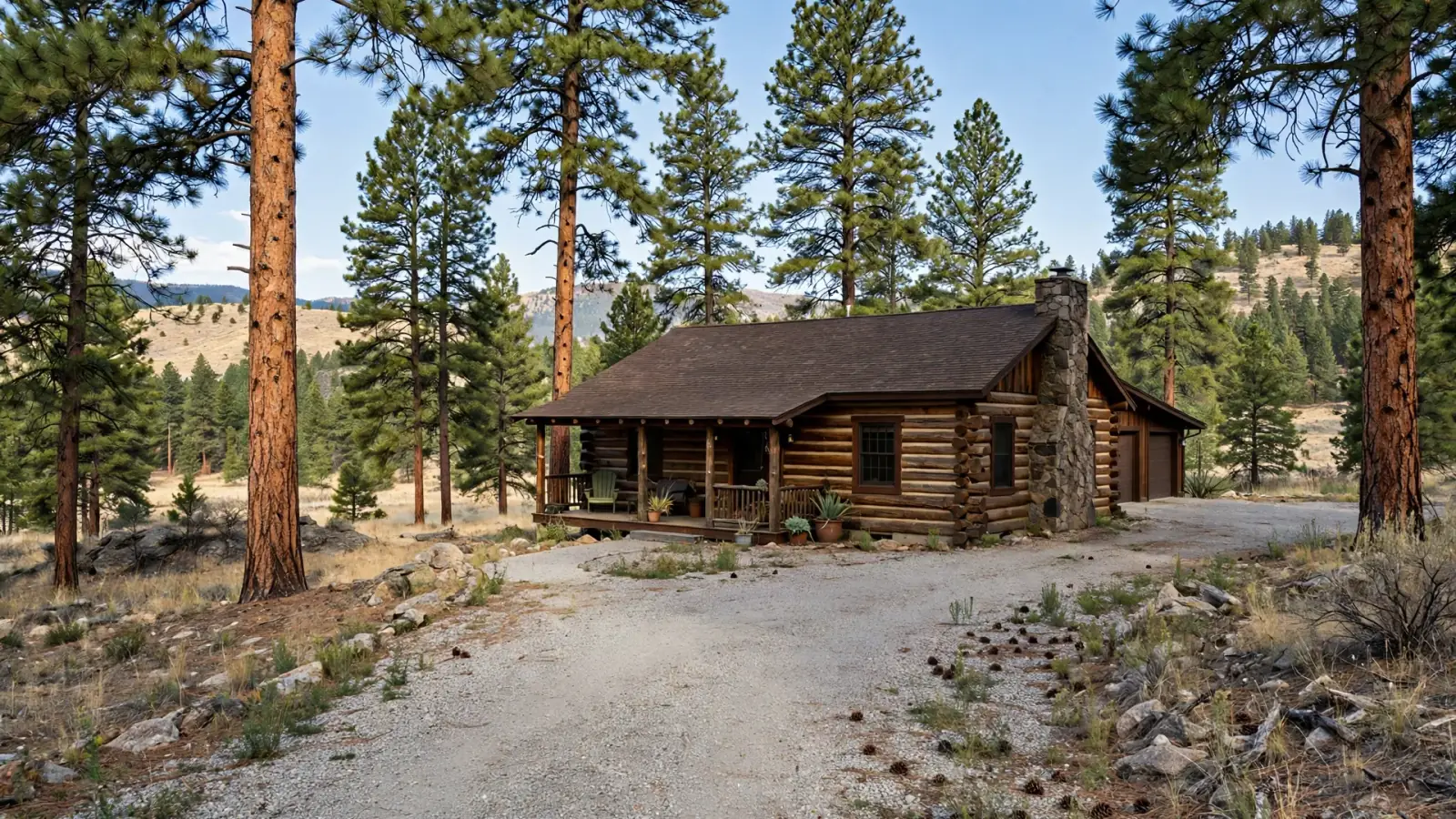
Many homes in Black Forest were built to suit the forest around them: cedar or pine paneling, exposed beams, tongue-and-groove ceilings, log walls and stone fireplaces. Finished wood with an intact coat of varnish or lacquer releases smoke residue fairly well. Rough-sawn boards, unsealed logs and the raw interiors of built-in cabinets are another matter. Their open grain pulls in fine particles and odor, and wiping them with water or a household cleaner drives residue deeper.
Tall great rooms with lofts are common too, and they let smoke rise and gather under the roof. The highest boards, the joints of a tongue-and-groove ceiling and the checks and cracks in log walls collect the most. The general approach on the smoke damage cleanup page applies, but here the order is HEPA vacuuming along the grain, dry sponging, then cleaners suited to the wood finish, and finally sealing or light refinishing where residue soaked in.
What to look for
Smoke signs in forest homes
Gray film on knotty pine
A dull gray cast on paneling, heaviest near the ceiling, is typical of a smoky room.
Black lines in board joints
Residue packs into the grooves of tongue-and-groove ceilings and between logs.
Soot above the stove
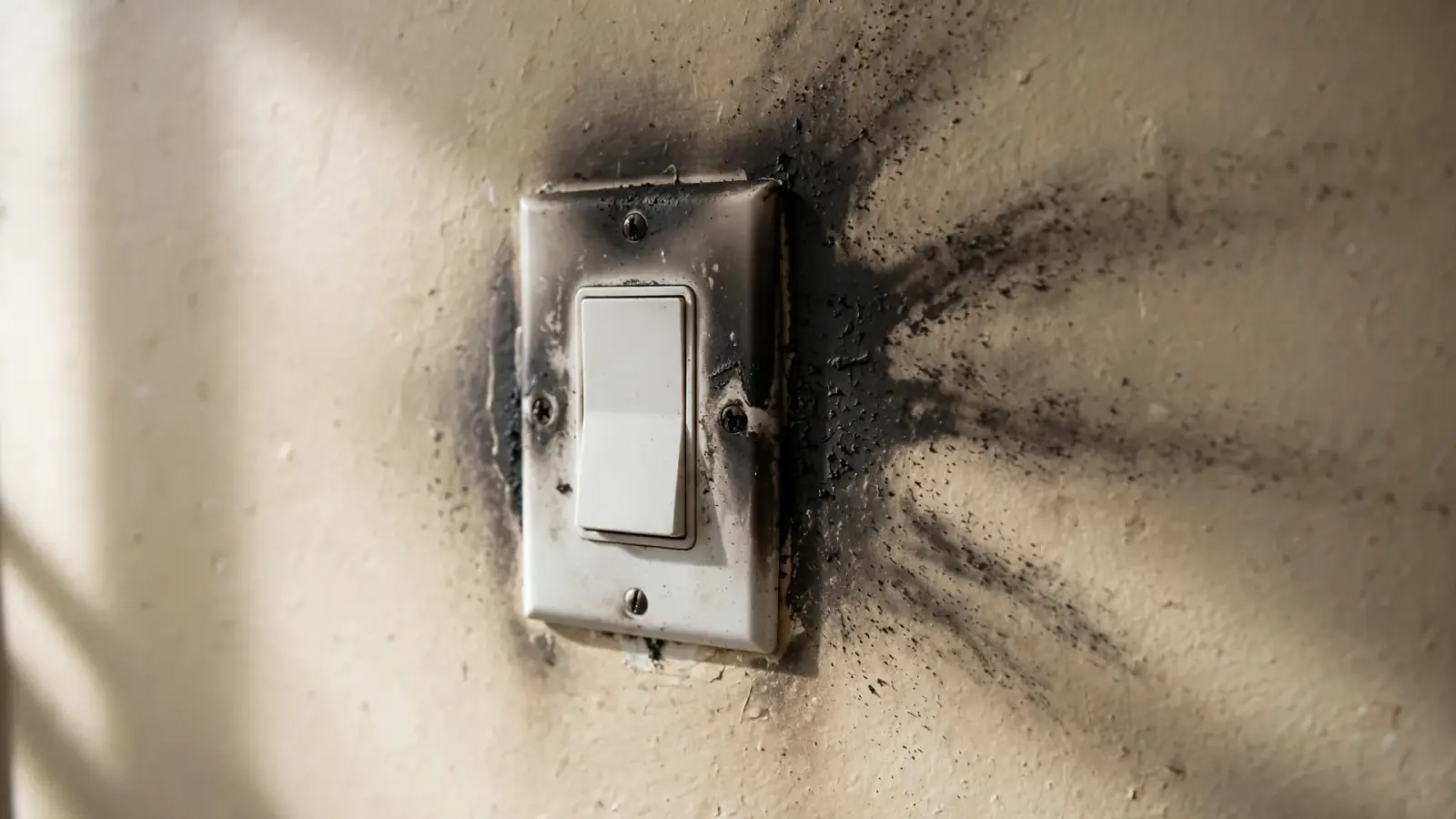
A dark fan of residue on the wall or ceiling over a wood stove points to a draft or flue problem.
Smoke in the loft
Lofts and upper rooms in tall great rooms smell and look worse than the floor where the fire was.
Sources of smoke
Where smoke comes from in Black Forest homes
Three sources dominate. The first is forest fire. The Black Forest Fire of June 2013 burned more than 14,000 acres and destroyed about 500 homes, and many houses that survived it were left full of smoke and ash. Any fire in the pines nearby can do the same, which is covered on the wildfire smoke damage page. The second is wood heat. Downdrafts on windy days, stuck dampers, wet wood and creosote fires push smoke into living rooms. The third is the ordinary house fire: kitchens, dryers, electrical faults and garages.
Outbuildings add a fourth. Barns, workshops and detached garages hold fuel, equipment, hay and stored belongings, and a fire there sends heavy smoke toward the house if it sits downwind.
The job
How smoke cleanup usually goes on a Black Forest property
- 1
Plan access
The crew confirms how to reach the house: gate codes, driveway grade, turning space and where to park clear of the septic field.
- 2
Check power
Air scrubbers draw a lot of current; if power is limited, a generator may be needed.
- 3
Contain and filter
Doors and the loft are closed off with plastic and air scrubbers run while residue is disturbed.
- 4
Clean wood along the grain
HEPA vacuum, then dry sponge, then a cleaner matched to the finish, working top to bottom.
- 5
Seal or refinish raw wood
Where residue soaked into unsealed boards, they are sealed or lightly sanded and refinished.
- 6
Furnace and stove
Filters replaced, ducts checked, and the stove and chimney inspected before the next fire.
Wood guide
Wood surfaces and how they usually respond
| Surface | After light smoke | After heavy smoke |
|---|---|---|
| Varnished paneling | Clean and condition | Clean, possibly recoat |
| Rough-sawn boards | Clean, often seal | Seal or sand and refinish |
| Log walls | Clean along checks and joints | Clean, then re-stain or seal |
| Wood floors | Clean and recoat | Refinish if residue reached the wood |
Rural details
Large lots, wells and propane during cleanup
Black Forest is outside the city limits and voted against incorporating in 2006, so county rules, a fire protection district and rural utilities shape the work. Many homes run on wells, septic systems and propane rather than city services. If the fire was near the propane tank, the regulator or the lines, have the propane supplier check them before appliances are used. If well equipment or its wiring was exposed to heat, have it inspected and the water tested before drinking it.
Distance matters too. Crews travel farther and may need to bring equipment in over gravel or dirt driveways that soften in spring. Mentioning those details on the call helps the contractor plan. The Black Forest area page has more on the community and its fire history.
While you wait
What Black Forest homeowners can do before cleaning starts
Keep the wood stove cold until the chimney has been inspected, and keep the furnace fan off until the filter is replaced. Do not wipe paneling or beams, even with a dry cloth, because it smears residue into the grain. Photograph each room, the loft and the area around the stove. Open windows to ventilate only if the outdoor air is clean; after a forest fire, keep them shut and run a HEPA air cleaner instead.
FAQ
Smoke cleanup questions from Black Forest
Can smoke be cleaned off knotty pine paneling?
Finished paneling usually cleans well with dry methods followed by a gentle cleaner. Unfinished pine holds residue and often needs sealing or light refinishing.
Why is my loft smokier than the room where the fire started?
Hot smoke rises in a tall great room and collects under the roof, so lofts and the highest boards get the heaviest residue.
Should I use the wood stove after a smoke problem?
Not until the stove, flue and chimney have been inspected; a downdraft or creosote fire may have damaged them.
Do crews need anything special to reach a rural property?
Tell them about gates, driveway grade, turning space, soft ground and the septic location so they can plan equipment.
Is Black Forest part of Colorado Springs?
No. It is unincorporated El Paso County, although many homes use Colorado Springs ZIP 80908 addresses.