Key facts: Water Damage From Firefighting in Black Forest
- Rural fire protection often relies on tanker trucks, but water used inside the house still runs down into floors and lower levels.
- The EPA recommends drying water-damaged areas within 24 to 48 hours to help prevent mold.
- Many Black Forest homes use wells and septic systems, which can be affected by fire, heat and heavy equipment.
- Wood floors can sometimes be saved with drying mats if work starts quickly.
How water spreads
Where hose water goes in a forest home
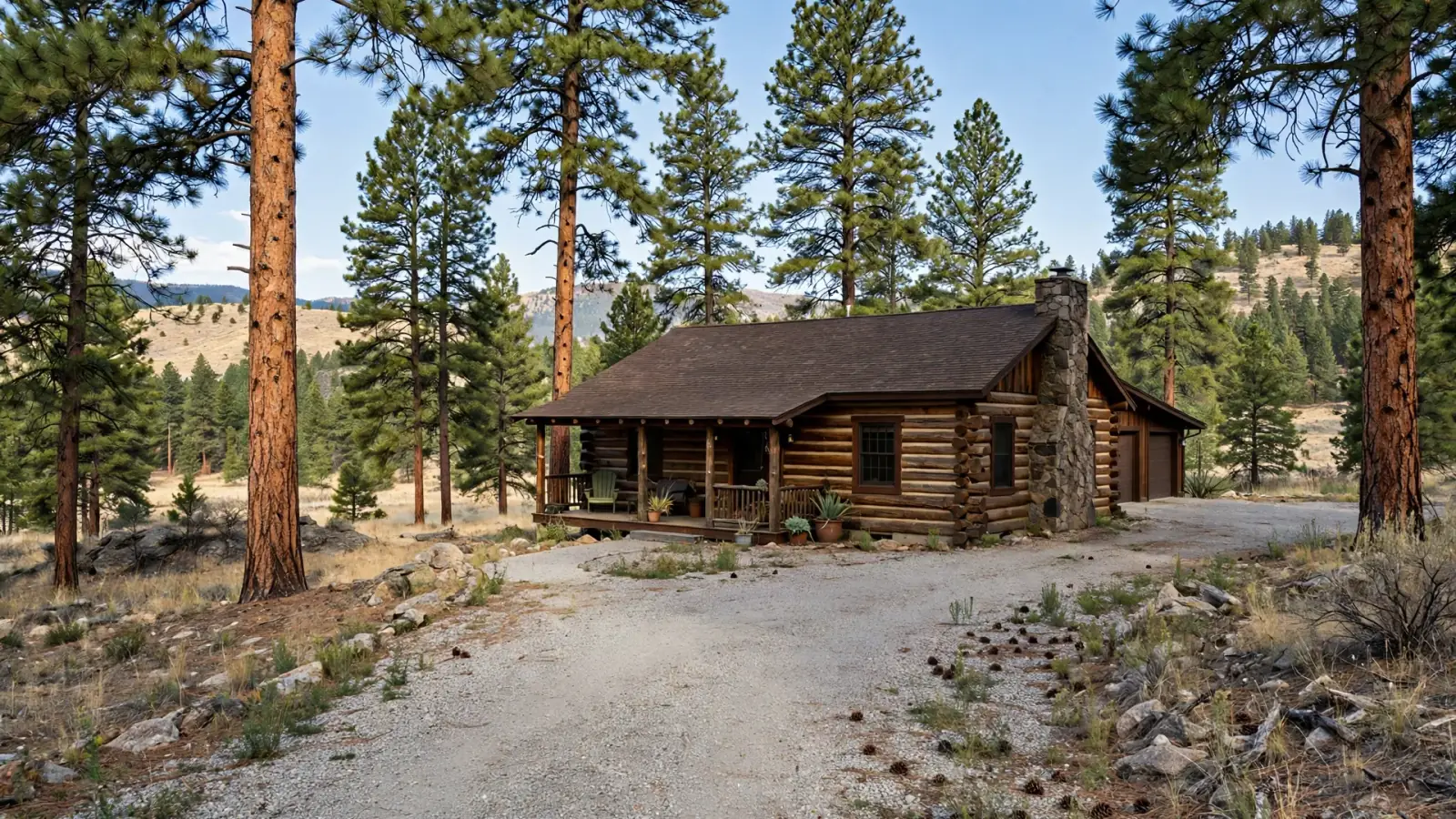
Water put on a fire runs downward through gaps in subfloors, along joists and down stairwells. In Black Forest homes that often means soaked wide-plank or hardwood floors on the main level and a wet basement below. Log walls take on water at their base and around window openings; they dry slowly because of their thickness. Firefighting water also carries soot and ash, so the water damage from firefighting page treats soaked porous materials as contaminated rather than just wet.
Rural houses can sit for longer before help arrives because of distance, and a closed, wet house warms in summer sun. Starting extraction as soon as the fire district releases the property is the most important single step.
Drying plan
How a forest home is usually dried
- 1
Confirm power or bring a generator
Drying equipment draws a lot of electricity; rural service may be off after a fire.
- 2
Extract standing water
Pumps and extractors clear basements and floors first.
- 3
Map moisture in wood
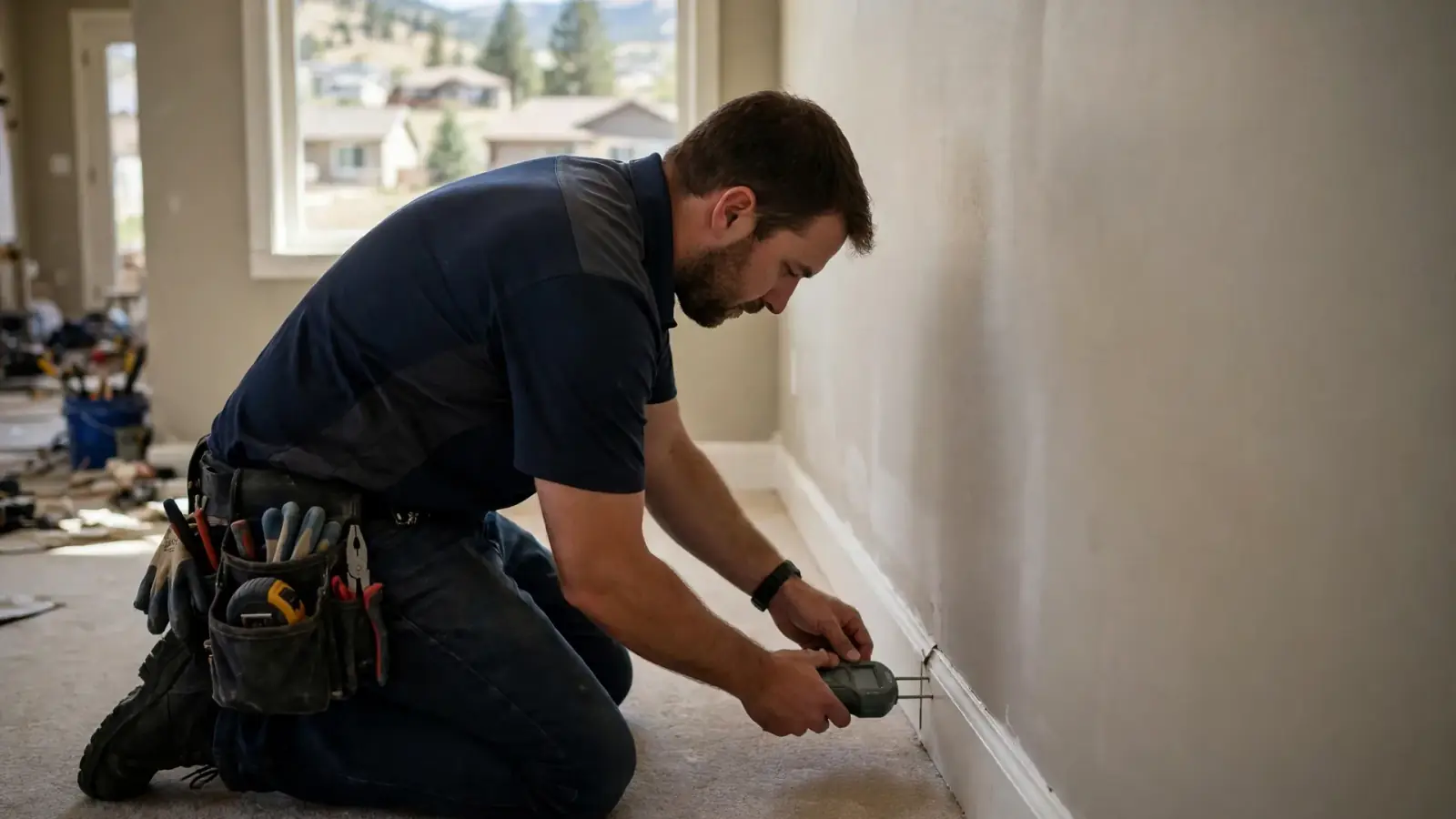
Meters check plank floors, log walls, subfloors and cabinet bases.
- 4
Remove what cannot dry
Carpet pad, insulation and soaked drywall come out; plaster and logs are dried in place.
- 5
Dry floors with mats if possible
Panel systems draw water out of hardwood floors that are still worth saving.
- 6
Dehumidify and monitor
Daily readings until each material reaches its normal level.
Rural concerns
Things city homes don't have to think about
Wells
Heat can damage wellheads, pressure tanks and controls; test the water if there is any doubt.
Septic fields
Heavy equipment and water trucks can crush a drain field; keep vehicles off it.
Propane
Have the supplier check tanks and lines before appliances are used again.
Long driveways
Soft spring ground limits where heavy extraction equipment can go.
Wood floors and logs
Saving wood floors and log walls
Hardwood and plank floors cup as they absorb water from below. If drying starts within a day or two, specialized mats and dehumidifiers can often pull the moisture out and let the boards flatten, after which they may need sanding and refinishing. Floors left wet for longer, or soaked with very sooty water, are more often replaced. Log walls cannot be cut out like drywall, so they are dried slowly in place with air movement and dehumidification and checked for staining afterward.
Do not try to speed drying with high heat. Fast drying can crack logs and split floorboards; steady, controlled drying works better.
Mold
Mold timing on a closed rural property
The EPA's guidance is to dry wet areas within 24 to 48 hours to help prevent mold growth. A forest home closed up after a fire, warm in summer and without power, can start growing mold on drywall paper, carpet pad and stored boxes within days. The dry Colorado climate helps once the house is opened and dehumidifiers run, but it does not dry a closed basement by itself. In winter, the opposite risk applies: an unheated house can freeze, so drain plumbing if the heat cannot be restored.
First steps
What to do while waiting for the crew
Keep power off to any wet circuits and stay out from under sagging ceilings. Move furniture and boxes off wet floors if it is safe. Ask the propane supplier to check the system, and do not drink well water if the wellhead or its equipment was near the fire until it has been tested. Photograph standing water and wet floors before anything is removed. More on the community is on the Black Forest page.
FAQ
Firefighting water questions in Black Forest
Can hardwood floors be saved after firefighting water?
Often, if drying starts quickly with floor mats and dehumidifiers. Boards that stay wet for days or are badly cupped may need replacing.
How are log walls dried?
Slowly in place, with air movement and dehumidification. Rapid heat can crack logs.
Should I worry about my well after a fire?
If the wellhead, pressure tank or controls were exposed to heat, have them inspected and test the water before drinking it.
Can drying trucks damage my septic field?
Yes, heavy vehicles can crush drain lines. Show the crew where the field is so they park elsewhere.
What if the power is off at my rural home?
The contractor may bring a generator to run extraction and drying equipment.