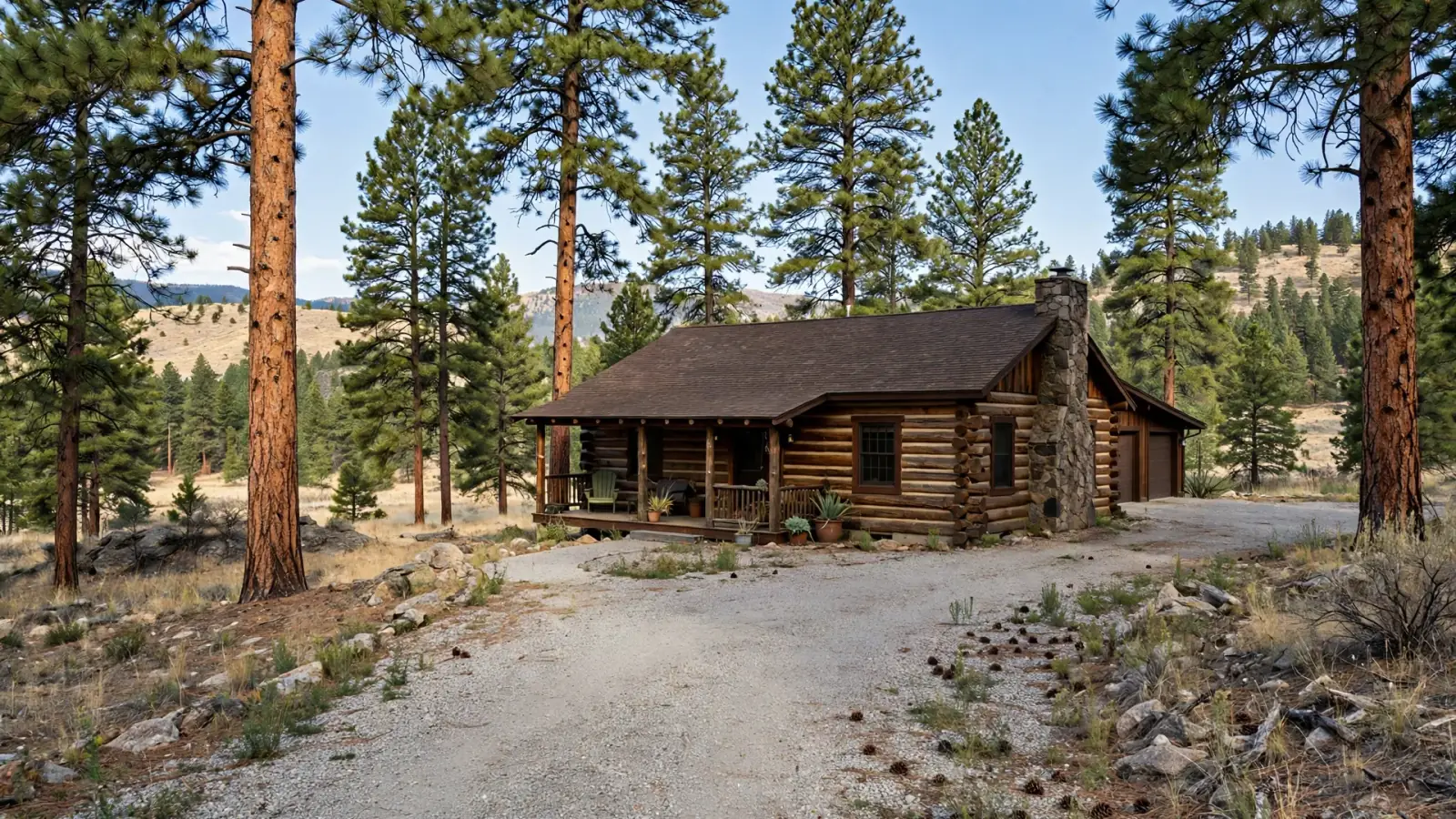
Key facts: Soot Removal in Black Forest
- Wood stove and fireplace problems such as downdrafts, stuck dampers and chimney fires push soot into rooms without flames escaping.
- The cause, such as a cracked flue or creosote build-up, is fixed before the room is cleaned so the problem does not repeat.
- Soot on unfinished wood is lifted dry along the grain; wet cleaning first drives it into the wood.
- Black Forest homes sit on large lots, many with barns and workshops where soot from outbuilding fires can also occur.
Stove soot
How wood heat puts soot on the walls
Wood stoves and fireplaces are part of life in the forest, and so are their failures. Wind gusting across a chimney can reverse the draft and push smoke back into the room. A damper left closed, wet or green wood that smolders, a blocked spark arrestor or a creosote build-up all make a fire burn dirty. A chimney fire, where creosote in the flue ignites, can crack the liner and send soot and heat into the walls around it.
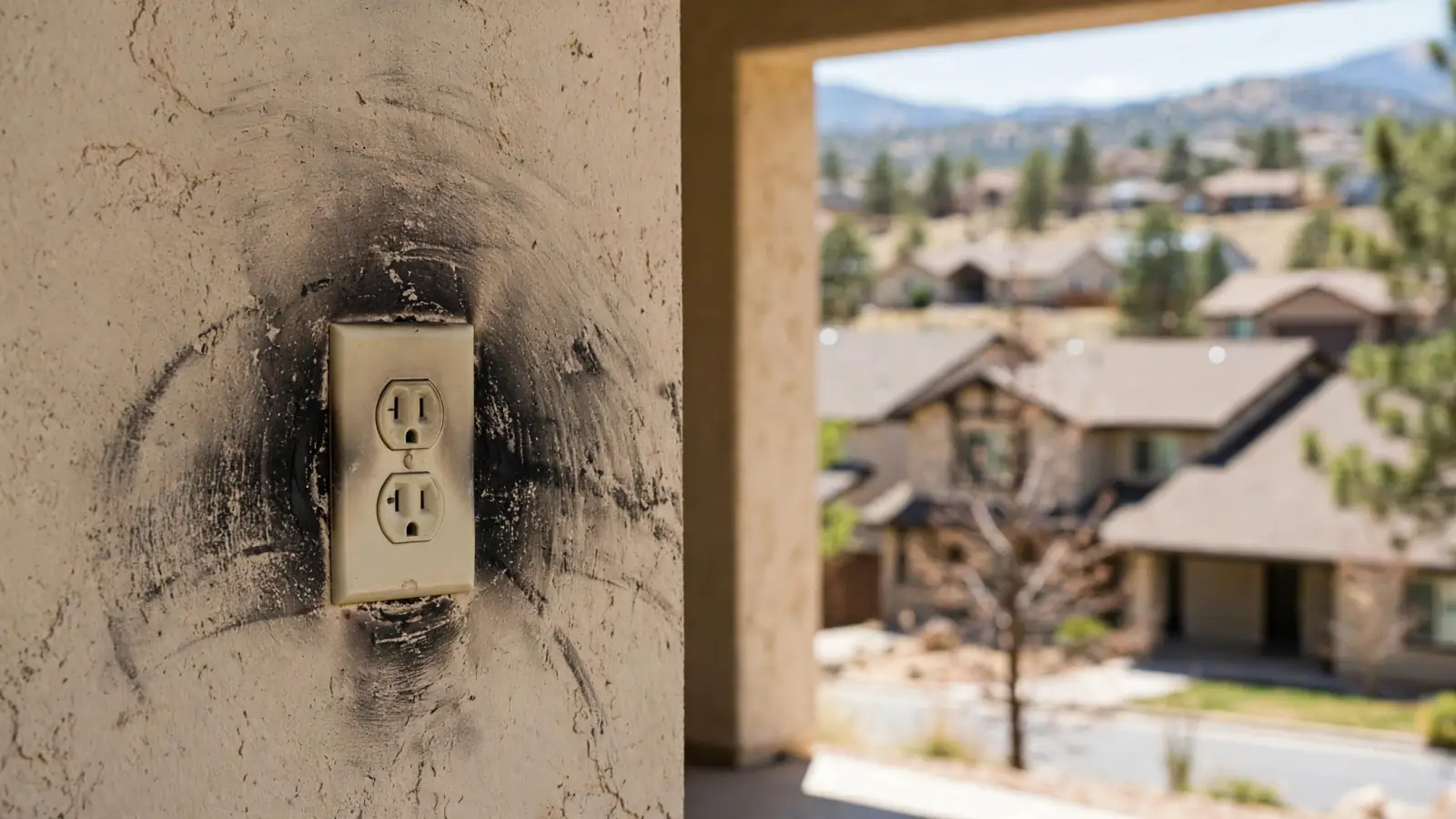
Stove soot is usually dry and flaky, but a smoldering fire produces oily soot that smears. It settles first on the wall and ceiling above the stove, on the mantel and hearth, and on nearby fabrics, then spreads farther if the furnace runs. Fixing the cause comes first: have the stove, flue and chimney inspected and repaired. Then the room is cleaned using the dry-first method on the main soot removal page.
Surfaces
Black Forest surfaces and how soot is lifted from them
- Log wallsHEPA vacuum along the checks and joints, then dry sponge with the grain; logs may need re-staining where soot soaked in.
- Tongue-and-groove pine ceilingsSoot packs into the grooves; crews vacuum each joint before sponging the boards.
- Stone and brick hearthsMasonry cleaners and stiff brushes after vacuuming; very porous stone may keep faint shading.
- Painted drywall above the stoveDry sponge, test-clean, and seal with a stain-blocking primer if a shadow remains.
- Stove glass and metalCleaned with products made for stoves once the unit is cold and inspected.
Order of work
The sequence that keeps wood clean
- 1
Fix the source
Chimney sweep and stove inspection; cracked liners or damaged connectors repaired.
- 2
Protect floors and furniture
Drop cloths and plastic so falling soot does not land on rugs and upholstery.
- 3
Vacuum before touching
HEPA vacuums lift loose soot and soot webs from beams and corners.
- 4
Sponge with the grain
Dry soot sponges pulled along the wood grain in straight strokes.
- 5
Clean to the finish
Cleaners chosen for varnished, oiled or raw wood, tested first in a hidden spot.
- 6
Seal raw wood if needed
Clear or tinted sealer locks in residue that cleaning cannot reach.
Outbuildings
Soot from barns, workshops and garages
Many Black Forest properties have more space in outbuildings than in the house. A fire in a barn, workshop or detached garage can be very smoky because of the fuel, tires, plastics and hay stored there. These buildings are often unfinished, so soot sits on bare framing and metal; cleaning is possible, but replacement of charred members and sheathing is common. If the outbuilding was close to the house and upwind, check the house's siding, windows and vents for soot as well.
Stored items need sorting into what can be cleaned and what cannot. Fuel cans, propane cylinders and batteries exposed to heat should be left for the fire district's guidance on safe handling.
2013 and after
Soot on houses that survived the forest fire
The 2013 Black Forest Fire destroyed about 500 homes, and many that survived it were scorched on one side and coated with soot and ash. Exterior soot on log and cedar siding is cleaned with low-pressure water and mild detergent; charred areas are sanded or replaced and the wood re-stained. Interiors usually need the lighter cleaning described on the wildfire page, but heavy ash from burned structures nearby should be handled with care.
Some original homes from before the fire may still carry old residue in attics or ducts that was never fully cleaned. A contractor working on a new problem may find it, and it is worth addressing at the same time.
Before the visit
What to tell the contractor about a forest property
Describe what produced the soot: the stove, the chimney, a house fire, an outbuilding or a forest fire. Mention which rooms have wood ceilings or log walls and whether they are finished or raw. Give directions, gate codes and any limits on driveway access. More about Black Forest homes, wells and propane is on the area page.
FAQ
Soot questions from Black Forest homeowners
Why did my wood stove fill the room with soot?
Common causes are a downdraft on a windy day, a closed or stuck damper, wet wood that smolders, a blocked spark arrestor or a creosote build-up in the flue.
Do I need a chimney inspection before soot cleanup?
Yes. Fix the cause first, or the soot will return. A chimney fire can also crack the flue liner.
Can soot be removed from log walls?
Usually, with HEPA vacuuming along the joints and dry sponging with the grain. Some logs need re-staining afterward.
Is soot from a barn fire different?
It is often heavier and oilier because of fuel, tires and plastics. Unfinished outbuildings may need more replacement than cleaning.
Should I wash soot off my cedar siding?
Use low pressure and a mild detergent from the top down. High pressure can drive soot into the wood.