Key facts: Wildfire Smoke Damage in Black Forest
- The Black Forest Fire began June 11, 2013, near Highway 83 and Shoup Road and burned more than 14,000 acres.
- About 35,500 people were evacuated and the county sheriff's 2014 report counted 489 homes destroyed.
- The EPA advises cleaning ash with HEPA vacuums and damp methods, never dry sweeping or leaf blowers.
- Wells, propane systems and outbuildings on rural lots need checking after a forest fire, alongside the house.
The 2013 fire
What the Black Forest Fire left behind
The fire started on the afternoon of June 11, 2013, near Highway 83 and Shoup Road. Hot, dry, windy weather drove it through the pines and into neighborhoods of homes on wooded lots. About 35,500 people were evacuated, two people died, and when it was contained around June 20 it had burned more than 14,000 acres. Counts of homes destroyed ranged from 486 to 511 as surveys progressed; the sheriff's final 2014 report put it at 489.
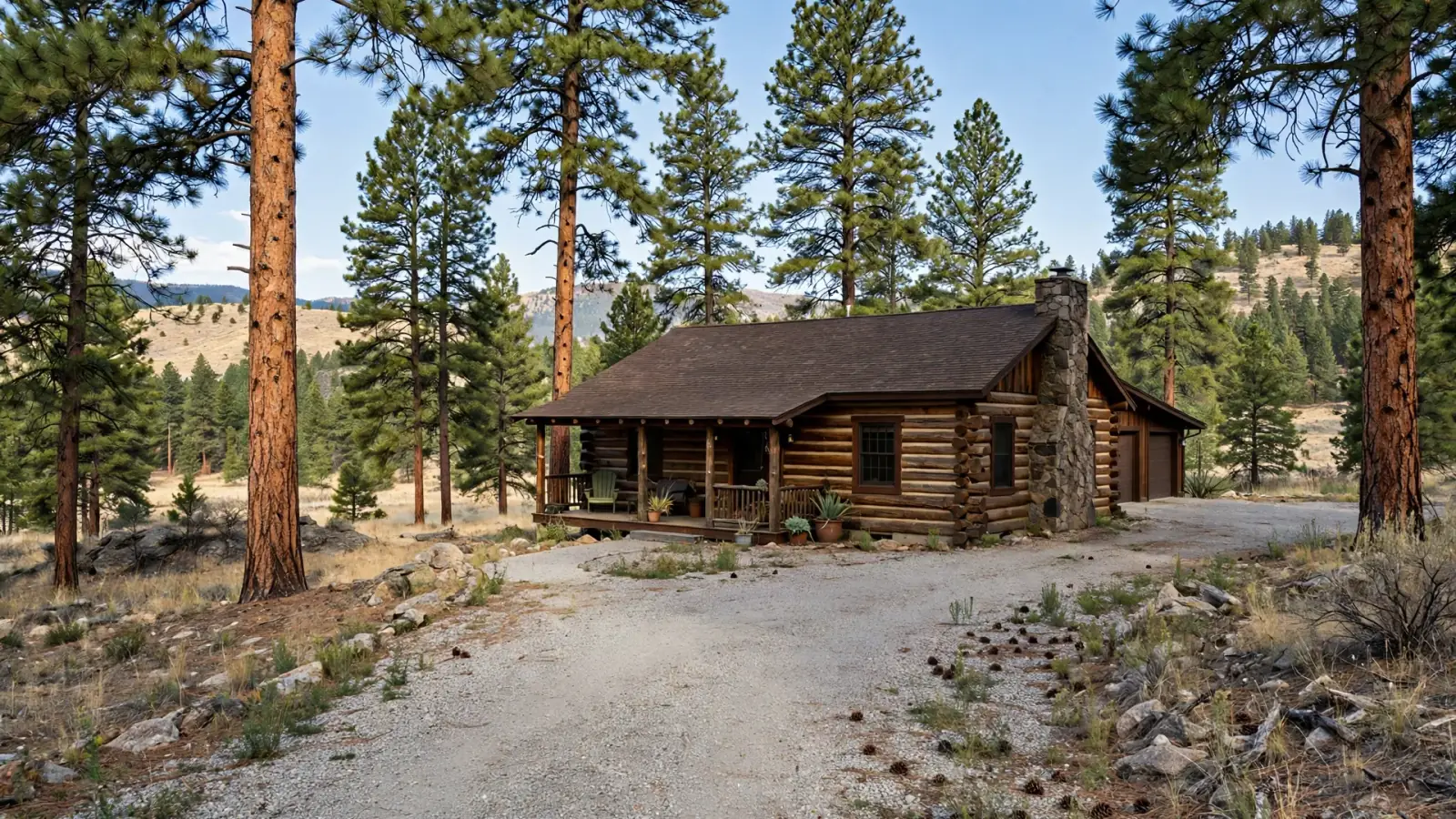
Houses that survived were often scorched on one side, with melted vents, cracked windows and heavy ash in attics, garages and outbuildings, and smoke odor throughout. That mix of exterior heat damage and interior smoke and ash is the core of wildfire smoke damage work in this community.
Returning
Returning to a Black Forest home after a forest fire
- 1
Wait for officials
Return only when the evacuation order for your area is lifted.
- 2
Check the land
Look for smoldering stumps, roots, wood piles and duff; burned-out roots can leave holes. Call the fire district if anything smokes.
- 3
Check propane and the well
Have the supplier inspect tanks and lines; test well water if the wellhead or equipment was exposed.
- 4
Replace filters
Put in a new furnace filter and keep the fan off until you have checked for ash.
- 5
Document
Photograph the house, outbuildings, vehicles, fences and the land before cleanup.
Where ash collects
Where forest-fire ash ends up on a rural property
Attics
Vents admit fine ash that settles on insulation.
Garages, barns and shops
Leaky outbuildings collect the most ash and smoke.
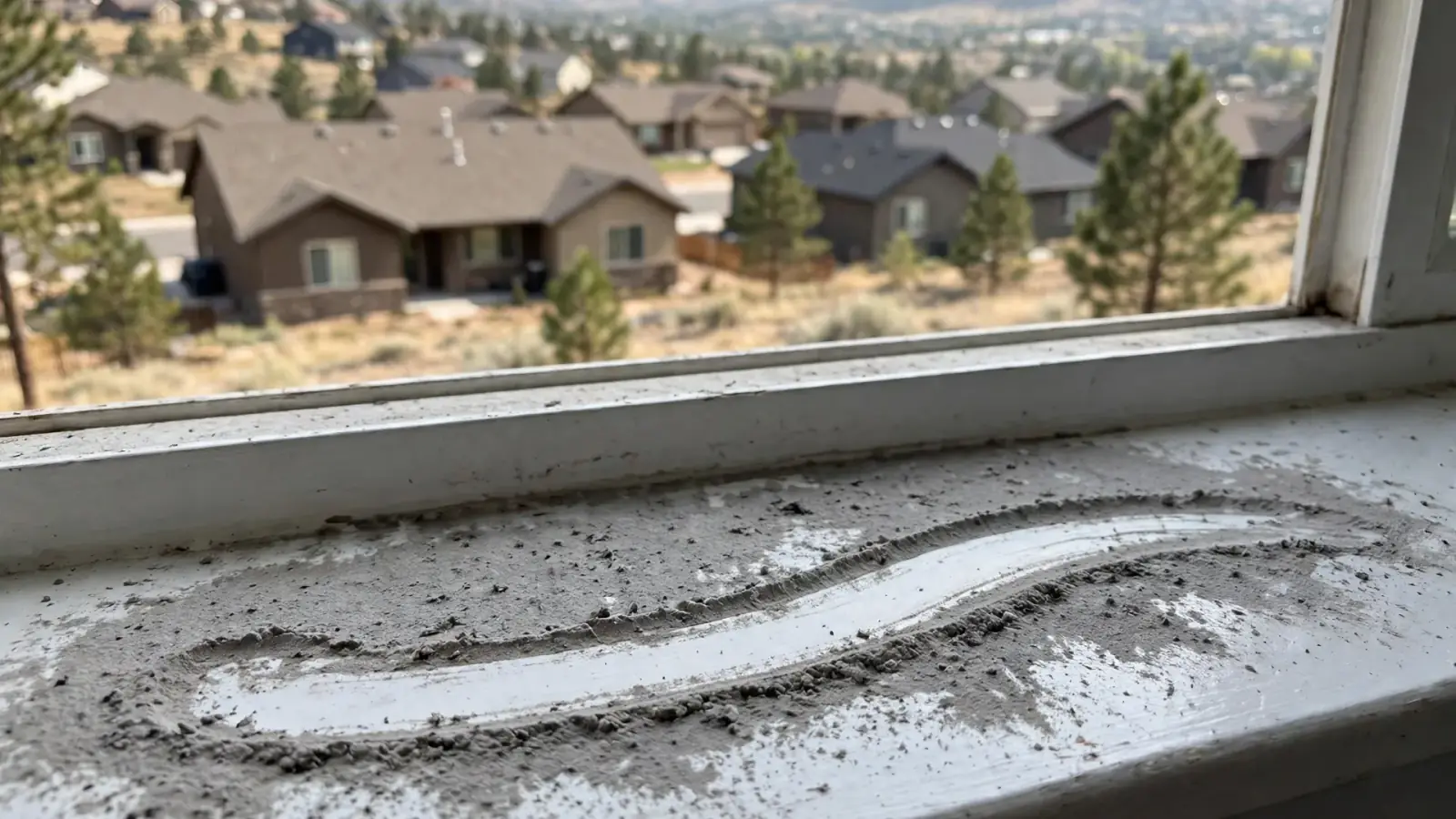
Window sills and tracks
Gray dust gathers where air leaks around windows.
Vehicles and equipment
Cabin filters and engine bays pull in ash.
Cleaning
Cleaning ash and smoke without spreading it
The EPA's guidance is to capture ash rather than move it: HEPA vacuums indoors, damp wiping of hard surfaces, misting outdoor areas before sweeping, and no leaf blowers or ordinary vacuums. Wear a fitted N95 respirator, gloves and long sleeves, and keep children and pets away. Ash from burned houses, vehicles and outbuildings can carry more than plant residue, so heavy deposits near burned structures are better left to a crew with protective equipment.
Wood interiors, common in Black Forest homes, hold smoke odor; cleaning followed by sealing of raw wood is often needed. Fabrics are laundered or sent to specialist cleaners, and ducts are cleaned if ash reached them.
Mitigation
Reducing future smoke and ember risk on a forest lot
Many residents have thinned trees, removed ladder fuels and cleared around their houses since 2013. Keeping roofs, gutters and decks free of pine needles, screening vents with fine metal mesh and storing firewood away from the house all reduce ember risk and keep ash out of the attic. NIST's research on wildland-urban interface fires identifies embers as a major cause of home ignition, which is why these small measures matter. Making sure fire trucks can reach and turn around at the house helps firefighters too. More on the community is on the Black Forest page.
FAQ
Wildfire smoke questions from Black Forest
How many homes did the 2013 Black Forest Fire destroy?
Counts ranged from 486 to 511; the county sheriff's 2014 final report put the number at 489.
Do I need to test my well after a forest fire?
If the wellhead, pressure tank or controls were exposed to heat, have them inspected and the water tested before drinking.
Can I clean forest-fire ash myself?
Light ash, yes, with a HEPA vacuum, damp cloths, an N95 respirator and gloves. Heavy ash near burned structures or in ducts is better left to a contractor.
Why do my outbuildings smell worse than the house?
Barns and shops are leaky and unsealed, so they take in more smoke and ash; stored items hold it.
Is Black Forest still at wildfire risk?
Yes. The forest has partly regrown, and dry, windy weather can still drive fire through the pines.