Key facts: Contents Pack-Out and Cleaning in Black Forest
- A pack-out photographs, lists, packs and removes belongings for cleaning and storage while the house is restored.
- Outbuildings, equipment, fences and vehicles may fall under different parts of a policy, so list them separately.
- Colorado requires insurers to offer at least 65% of contents coverage without a full inventory for owner-occupied homes lost in a declared wildfire disaster.
- Fuel, propane cylinders, chemicals and damaged batteries are handled separately for safe disposal.
What makes it different
Why pack-outs on rural lots are bigger
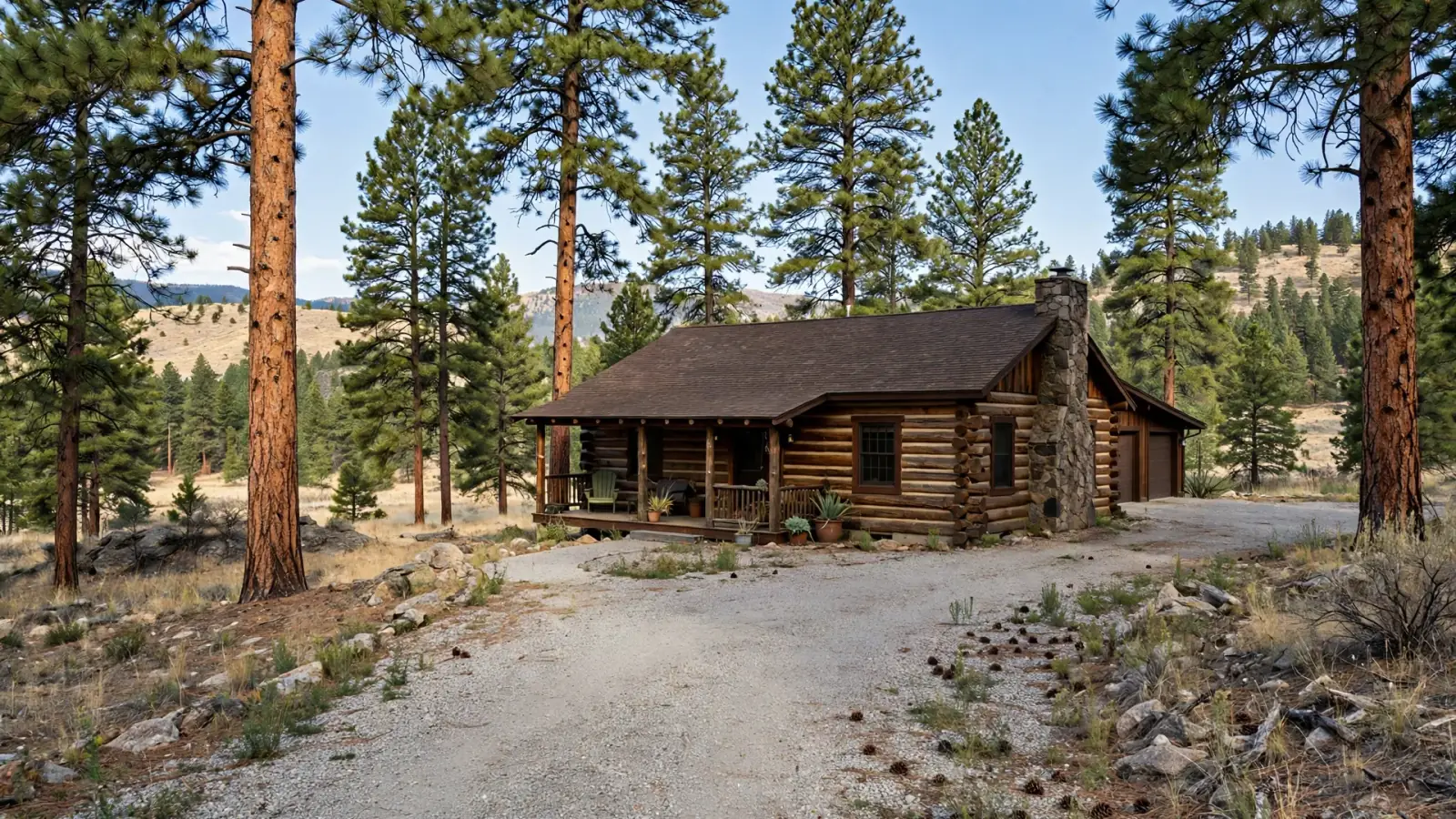
On a five-acre lot, the house is only one building. Detached garages, barns, workshops and sheds often hold equipment, tools, tack, hay, feed, camping gear and years of stored belongings. After a fire, all of it needs sorting: what can be cleaned, what needs specialist attention and what is a loss. Wood-heavy homes add furniture and decor that absorb smoke readily. The general process is on the contents pack-out and cleaning page.
Distance shapes the job too. Pack-out trucks need room to reach the house and turn, and loading may take longer when belongings are spread across several buildings.
Process
How a pack-out usually runs on a Black Forest property
- 1
Walk every building with you
House and outbuildings are toured to agree what will be packed, cleaned in place or listed as lost.
- 2
Pull out essentials
Medicines, documents, work items and clothing for the coming weeks come out first.
- 3
Photograph and list
Each room and building is photographed before items move.
- 4
Pack by building and room
Labels show which building and room each box came from.
- 5
Separate hazards
Fuel, chemicals, propane cylinders and damaged batteries are set aside.
- 6
Clean, store, return
Items are cleaned off-site, stored in sealed containers and returned when the house is ready.
Rural belongings
Items Black Forest owners often ask about
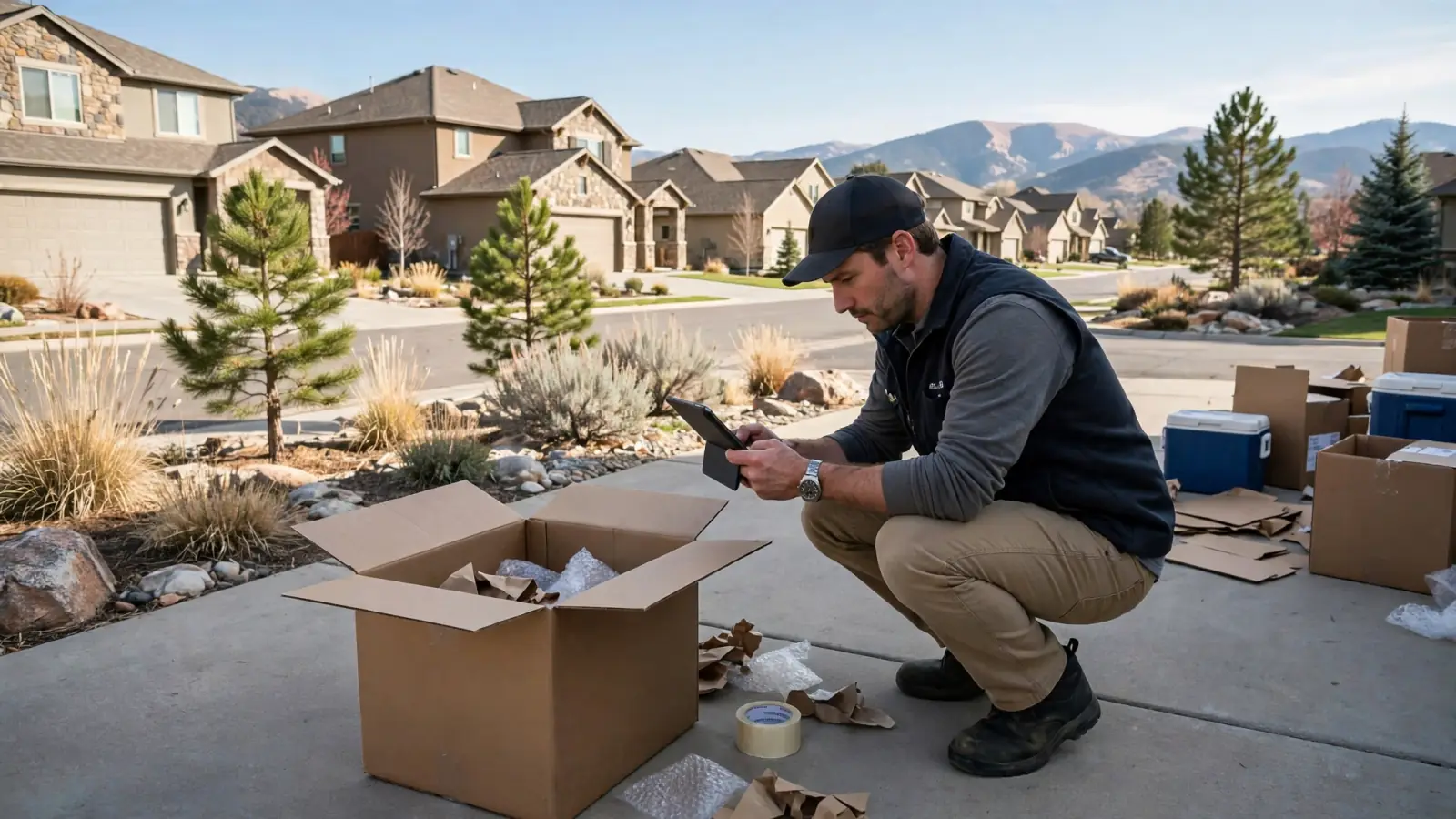
- Saddles and tackLeather absorbs smoke; specialist cleaning and conditioning usually restores it.
- Tools and equipmentMetal tools clean well; engines and electronics should be checked before use.
- Hay and feedCheck with a veterinarian or extension office before using feed exposed to smoke or heat.
- FirearmsRemove and store them yourself; many crews will not pack them.
- Wood furniture and decorUsually cleans and deodorizes well; heat-damaged finishes may need a refinisher.
Documenting
Building a claim record for a rural property
Large properties raise claim questions city homes rarely face. The house's contents, outbuildings, fences, vehicles, equipment and landscaping may fall under different coverages, or under separate policies. List and photograph each building's contents separately and keep receipts and serial numbers where you have them. A pack-out inventory with photos is a strong starting point, and bank statements, online orders and older photos help fill gaps.
For owner-occupied homes lost in a governor-declared wildfire disaster, Colorado requires insurers to offer at least 65% of contents coverage without a full inventory, with an inventory needed for the rest. Ask your insurer what applies to your loss.
Clean or replace
How common rural belongings fare after smoke
| Item | Usually |
|---|---|
| Clothing and linens | Clean |
| Leather tack | Specialist clean and condition |
| Hand tools | Clean |
| Upholstered furniture | Depends on smoke and water |
| Mattresses | Often replaced |
| Stored hay | Assess before use |
Living away
While you are away from the property
Keep receipts for temporary housing, meals and essentials; many policies cover additional living expenses while a home is unlivable. Arrange care for animals if you cannot stay on the property. Ask the contractor how to retrieve items from storage if you need them. The Black Forest area page has more on the community.
FAQ
Contents questions from Black Forest
Will a pack-out crew handle barn and workshop contents?
Usually, with hazardous items such as fuel, chemicals and damaged batteries set aside for safe disposal.
Can smoky saddles and tack be saved?
Usually, with specialist leather cleaning and conditioning.
Are outbuildings covered under the same policy as the house?
Often under a separate part of the policy, sometimes under a different policy. Ask your insurer and document them separately.
Do I need a full inventory after a wildfire loss?
For owner-occupied homes lost in a declared wildfire disaster, Colorado insurers must offer at least 65% of contents coverage without one.
What should I do with smoky hay?
Ask a veterinarian or extension office before feeding it.