Key facts: Smoke Damage Cleanup in Mountain Shadows
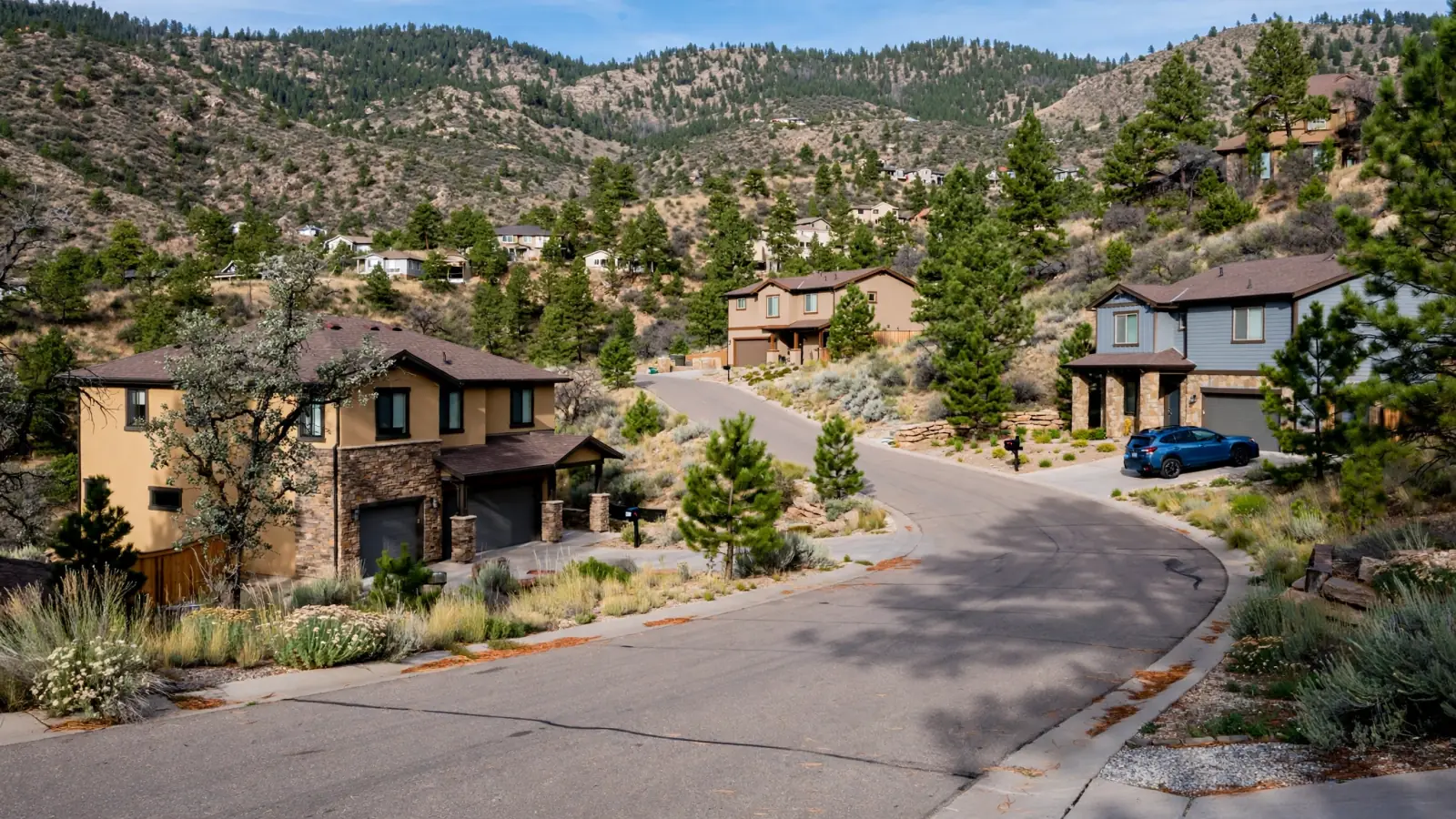
- Mountain Shadows is in ZIP 80919 on the northwest edge of Colorado Springs, below the Rampart Range foothills.
- Many homes were rebuilt after the 2012 Waldo Canyon Fire, which destroyed 346 homes, so interiors are often open-plan with large drywall surfaces.
- Smoke cleanup starts with dry removal and HEPA filtration; wiping residue wet first can set it into flat paint.
- Forced-air systems carry smoke residue between floors, so filters and return ducts are checked on every job.
How smoke moves here
Why smoke spreads so quickly through 80919 homes
Most houses in Mountain Shadows date from the 1980s onward, and hundreds were rebuilt in the years after 2012. Builders favored open kitchens flowing into family rooms, two-story entries and vaulted ceilings that frame the foothill views. Those layouts look generous, but in a fire they behave like one large room. Smoke from a pan fire rises to the highest point of the vault, spreads along the ceiling and then settles as it cools on every wall of the main level at once.
Hillside lots add a second level of complication. Walk-out basements sit partly below grade on the uphill side, with the furnace and return ducts usually down there. When the system cycles, it draws smoky air down the stairwell and back out through every supply register, so a fire that started upstairs can leave a gray film in a basement bedroom that never saw flame. That pattern is described in more depth on the general smoke damage cleanup page; here it is the norm rather than the exception.
What crews look for
Smoke clues specific to Mountain Shadows houses
Film on vaulted drywall
The upper third of tall great-room walls is usually the darkest, and those large flat surfaces show every streak if cleaned unevenly.
Shadows around recessed lights
Can lights in vaulted ceilings pull air from the attic and leave gray rings that point to residue above the drywall.
Gray dust in the lower level
Film on basement window sills and register grilles means the furnace moved smoke down from the main floor.
Residue behind deck doors
Sliding doors to the view decks often show a smoke line on the header where air escaped during the fire.
Two kinds of smoke
Kitchen-fire residue versus foothill wildfire smoke
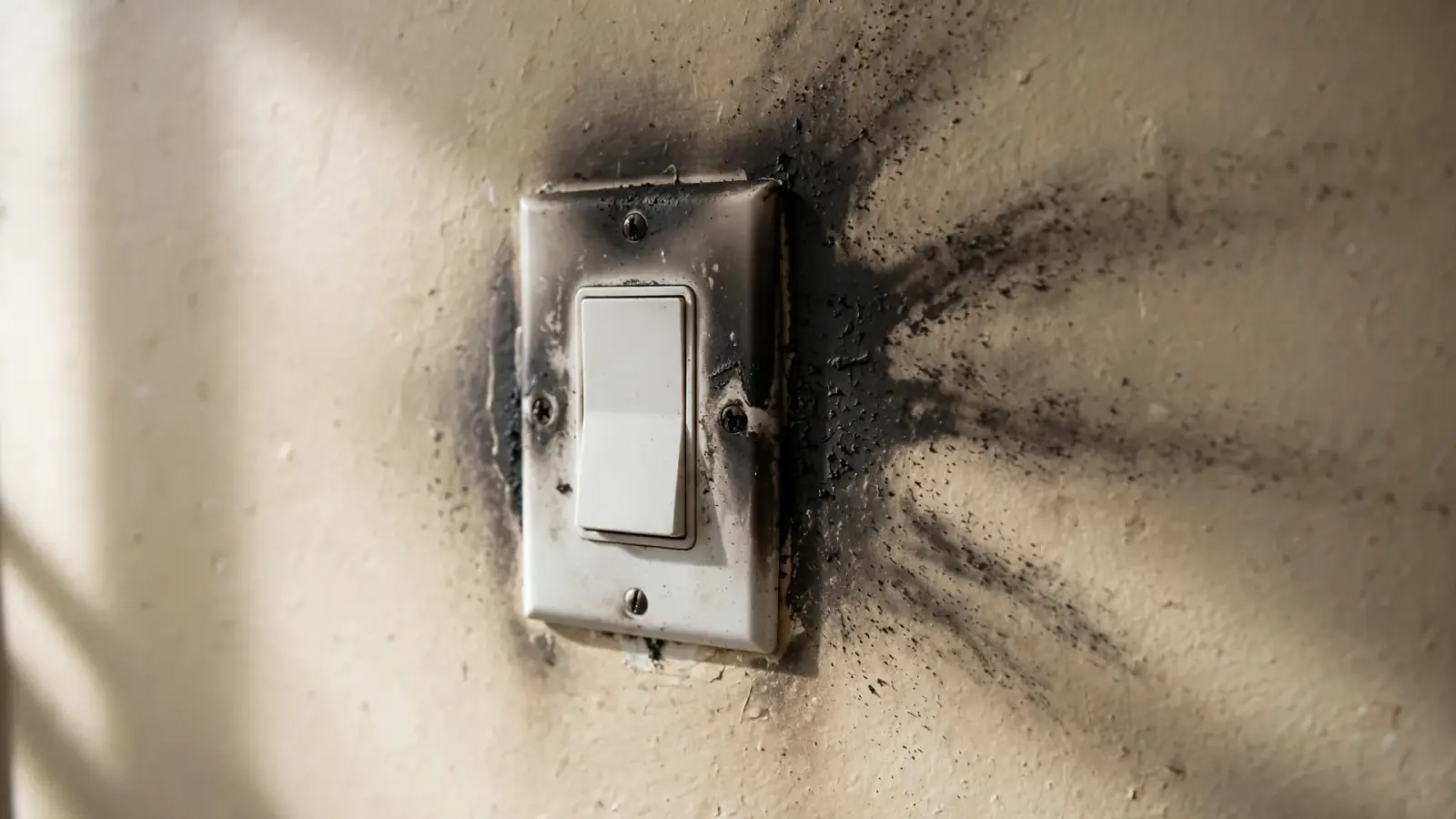
Mountain Shadows owners can meet two quite different residues. An interior kitchen or electrical fire leaves a concentrated mix: protein or plastic residue near the source and a thinner film everywhere else. Foothill wildfire smoke, by contrast, arrives from outside as very fine ash and odor through attic vents, gaps around doors and the furnace intake, often with almost no visible film. In 2012, gas service was shut off to about 4,200 undamaged homes here while the fire burned nearby, and many of those houses still needed smoke cleaning afterward.
The cleaning method follows the residue. Interior fires call for dry soot sponges, degreasing in the kitchen and sealing where staining persists. Wildfire smoke calls for HEPA vacuuming, damp wiping, filter changes and laundering fabrics, which is covered on the wildfire smoke damage page. A good assessment names which one you have, room by room, before anything is wiped.
The job
How smoke cleanup usually runs in a Mountain Shadows house
- 1
Close off the lower level
Plastic goes over the basement stairwell so residue from the main floor is not dragged down while work is underway.
- 2
Filtration first
Air scrubbers run in the great room and at the top of the stairs, where smoke concentrated.
- 3
Reach the vaults safely
Scaffolding or tall ladders let technicians dry-sponge ceilings and upper walls before anything below them is cleaned.
- 4
Work down and out
Ceilings, then walls, then cabinets and trim, finishing with the lower level once the main floor is done.
- 5
Furnace and returns
The filter is replaced and the return side inspected; ducts are cleaned if the residue reached them.
Room guide
Typical smoke patterns by room in a hillside house
| Room | Usual residue level | Common next step |
|---|---|---|
| Vaulted great room | Heaviest high on walls and ceiling | Dry sponge, wet clean, often seal and paint |
| Open kitchen | Protein or plastic film on cabinets | Degrease inside and out |
| Upstairs bedrooms | Light to moderate film, odor in fabrics | Clean surfaces, launder or pack out fabrics |
| Walk-out lower level | Light film near registers | Clean, change filter, check returns |
Local notes
Working around rebuilt homes and wildfire rules in Mountain Shadows
Smoke cleanup itself does not need a permit, but it often happens next to repairs that do. If heat or flame damaged decks, siding, vents or windows, replacement work in the city's wildland-urban interface may have to meet ignition-resistant construction requirements, which is worth settling before materials are ordered. Inside, rebuilt homes usually have no lead paint or older ceiling textures to test, which can let cleaning move faster than in older parts of the city.
Steep driveways and narrow curving streets are part of life in Mountain Shadows. Mention them on the call so the contractor can plan where air scrubbers, ladders and a trailer will go. Keep people with asthma or heart conditions elsewhere while residue is being disturbed, and keep the thermostat fan off until the filter has been replaced.
Contents and fabrics
Fabrics and furnishings in open-plan Mountain Shadows rooms
Because the main level is one shared air space, sofas, curtains and rugs in the family room usually carry as much smoke as the kitchen does. Large window treatments on the view side are a common surprise: they hang in the warmest part of the room and filter smoky air as it rises. Plan for them to be taken down and cleaned rather than vacuumed in place.
FAQ
Smoke cleanup questions from Mountain Shadows
Why is my Mountain Shadows basement smoky when the fire was upstairs?
The furnace and its returns are usually in the lower level. When the system ran, it pulled smoky air down the stairwell and pushed it back out through the registers.
Can tall vaulted walls be cleaned without repainting?
Light film often can be. Heavy residue on flat paint in a large room usually ends in cleaning, sealing and repainting so the wall looks even.
Does wildfire smoke need the same cleanup as a kitchen fire?
No. Wildfire smoke is mostly fine ash and odor from outside, so the work centers on HEPA vacuuming, filters, ducts and fabrics rather than heavy surface residue.
Should I open the deck doors to air out the smoke?
On a clear, still day with clean outdoor air, yes. If wildfire smoke is still in the air, keep them shut and run a HEPA air cleaner instead.
Do I need to test for lead paint in a rebuilt home?
Homes built after 1978 are not expected to contain lead paint. Older houses nearby should still be checked before sanding or scraping.
How long does smoke cleanup take in a two-story house?
A few days for light smoke on one level; a week or more when the vaulted rooms, lower level and ducts all need work.