Key facts: Odor Removal in Mountain Shadows
- Smoke odor lasts as long as residue remains in materials, so sources are found and removed before the air is treated.
- Lofts, vaulted ceilings and upstairs bedrooms collect warm air and odor in two-story hillside homes.
- The EPA warns that ozone generators sold as air cleaners can harm the lungs and do not remove most indoor pollutants.
- Tighter, rebuilt houses exchange less air with the outside, so smoke from an interior fire lingers without active ventilation.
Why it lingers
Why smoke smell hangs on in tighter rebuilt homes
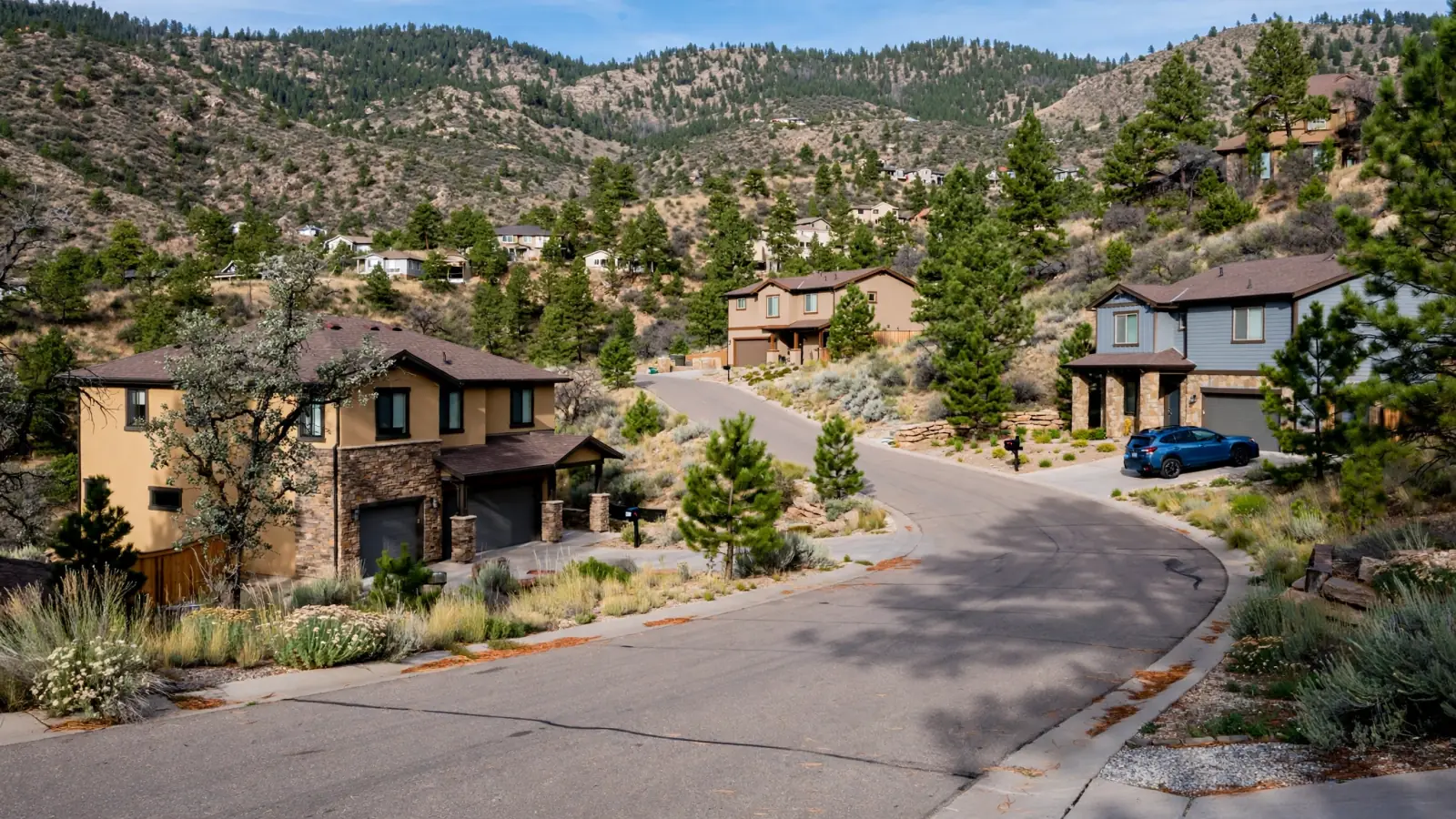
After 2012, much of Mountain Shadows was rebuilt to newer standards with well-sealed windows, better weatherstripping and tighter building envelopes. That is good for comfort and helps keep outdoor smoke out during a wildfire. But when the smoke comes from inside, from a stovetop fire, a dryer fire or an electrical fault, a tight house gives it fewer ways out. Odor molecules settle into carpet, upholstery, drywall paper and insulation, and the house keeps releasing them for weeks.
Two-story layouts make it worse in predictable ways. Warm air rises, so lofts, bonus rooms and the upper reaches of vaulted ceilings smell strongest, especially in the afternoon when the sun heats the west-facing side of the house. Odor removal starts by mapping those warm spots and the other usual hiding places, which are listed on the main odor removal page.
Hiding places
Where smoke odor hides in Mountain Shadows houses
- Loft and bonus-room carpetWarm, rising air deposits residue in upstairs carpet and pad.
- Attic over the vaultSmoke pulled through recessed lights settles on insulation above the great room.
- Lower-level returnsReturn ducts in the walk-out basement hold residue and push odor out each time the furnace starts.
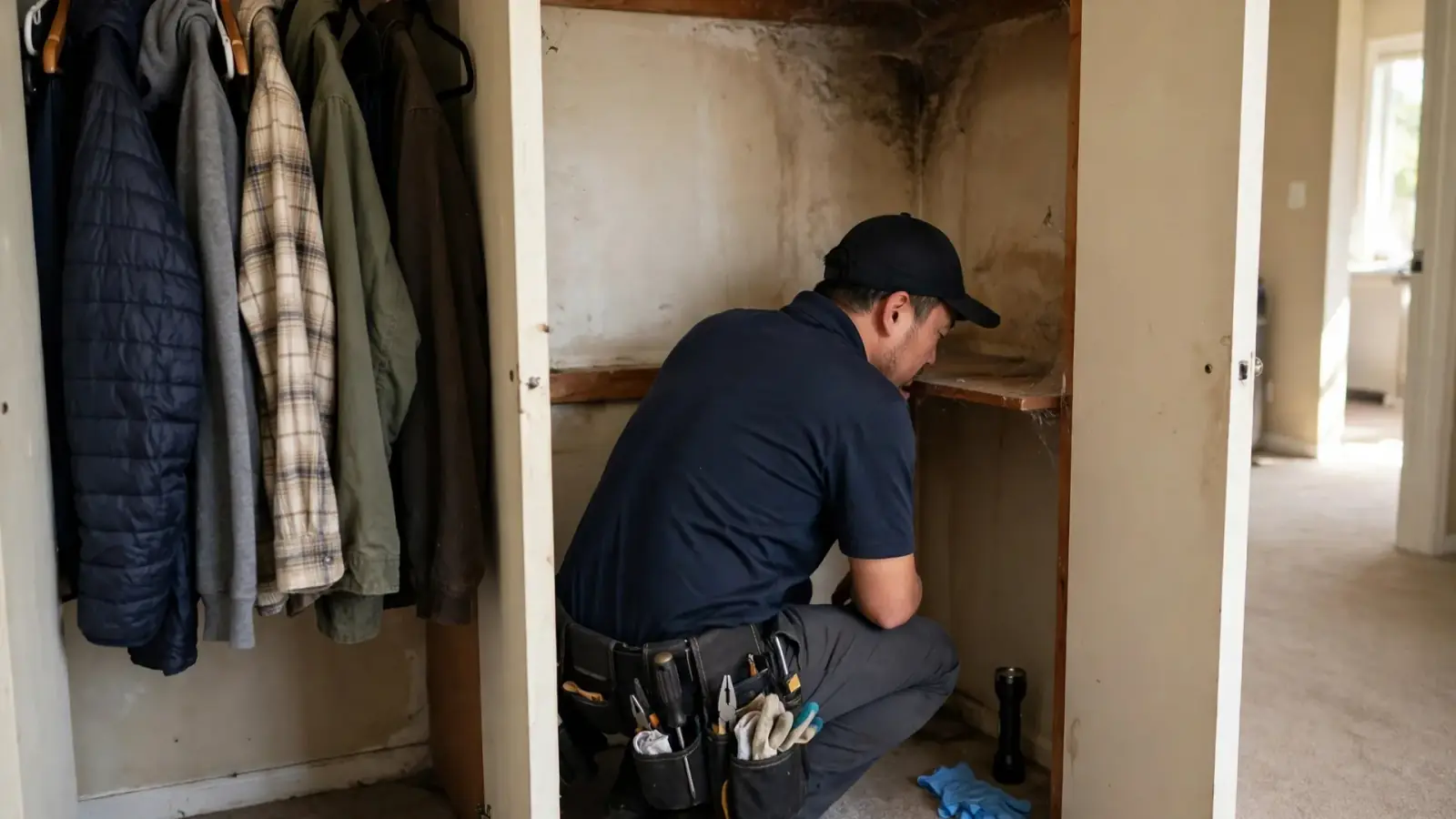
- Closets under the stairsClosed storage spaces fill with smoke and keep it.
- Garage-to-house door and room aboveSmell from a garage fire seeps into the shared wall and the room over the garage.
Process
How odor is traced and removed in a hillside home
- 1
Closed-house walk-through
With windows shut and the heat on, the contractor walks every level, noting where the smell intensifies.
- 2
Remove residue at the source
Surfaces are cleaned, upstairs carpet pad replaced where it holds odor, and attic insulation checked over the vault.
- 3
Clean the air system
Filter replaced and returns inspected; ducts cleaned if residue is present.
- 4
Seal raw wood and stained drywall
Odor-blocking primer on framing or drywall that still holds residue after cleaning.
- 5
Treat the air last
Air scrubbing with activated carbon or hydroxyl units once the sources are gone, then another closed-house check.
Wildfire smell
When the smell came in from a foothill fire
If the odor arrived from outside, during a wildfire on the slopes above Mountain Shadows, the pattern is different. The smell is spread thinly through the house rather than concentrated near one room, the attic and garage usually hold fine ash, and fabrics everywhere smell faintly of campfire. Changing the furnace filter, HEPA vacuuming, laundering fabrics and cleaning the ducts if ash reached them usually clears it. The wildfire smoke damage page covers that approach.
Whichever kind of smoke it was, avoid ozone machines in an occupied house. The EPA notes that ozone irritates the lungs and has little effect on most indoor pollutants at levels that are safe to breathe.
Clues
What the smell's timing tells you in a two-story house
| When it smells worst | Likely source here |
|---|---|
| Afternoons upstairs | Loft carpet, attic insulation above the vault |
| When the furnace starts | Returns and blower in the lower level |
| Opening the garage door into the house | Shared wall and room over the garage |
| Near the fireplace on windy days | Soot in the firebox or flue |
Sun and heat
West-facing rooms and afternoon odor spikes
Houses on the slope face the foothills to the west, so living rooms and upstairs bedrooms on that side take strong afternoon sun. Warmth makes residue in carpet, drywall paper and insulation release more odor, which is why many owners notice the smell returning at the end of the day rather than in the morning. A contractor who knows this checks those rooms in the afternoon, with the blinds open, before deciding a job is finished.
Keep a short log for a week after the work: date, room, time of day and whether you smelled smoke. It points straight to any missed source.
Belongings
Items to bag while odor work is underway
- Upstairs bedding and pillows
- Clothes from closets near the loft
- Throw pillows and blankets from the great room
- Sports gear and backpacks stored in the garage
Garage smell
When the smell comes from the garage below a bedroom
If the fire started in a garage tucked under living space, odor often lingers in the room above it long after the rest of the house is clean. The shared ceiling, any ducts running through the garage and the insulation between them hold residue. Removing and replacing that insulation and sealing the framing is usually what finally clears the smell.
FAQ
Smoke odor questions in Mountain Shadows
Why does my loft smell worse than the kitchen where the fire was?
Warm air carries odor upward. Lofts and upper rooms collect it, especially on sunny afternoons, and their carpet and pad hold it.
Does a tighter rebuilt house hold smoke smell longer?
It can. Well-sealed homes exchange less air with the outside, so interior smoke lingers unless the residue is removed and the house is ventilated and filtered.
Will air purifiers fix the smell?
HEPA units with activated carbon help reduce particles and some odor, but residue in carpet, ducts and insulation still has to be removed.
Is ozone safe to use in my home?
Not with people or pets present. The EPA warns that ozone generators can harm health and do not remove most indoor pollutants.
How do I know the odor is really gone?
Close the house for a day or two of normal heating and walk every level. If the smell returns anywhere, a source was missed.
Why does the smell come back in the late afternoon?
Sun on the west side warms rooms and makes residue in materials release more odor. That usually means a source remains in carpet, insulation or drywall.
Can wildfire smoke smell come back months later?
It can in hot weather if ash remains in the attic, ducts or fabrics. A follow-up check of those places usually finds it.
Does painting stop smoke smell in a vaulted room?
Only after cleaning, and with an odor-blocking primer under the paint.