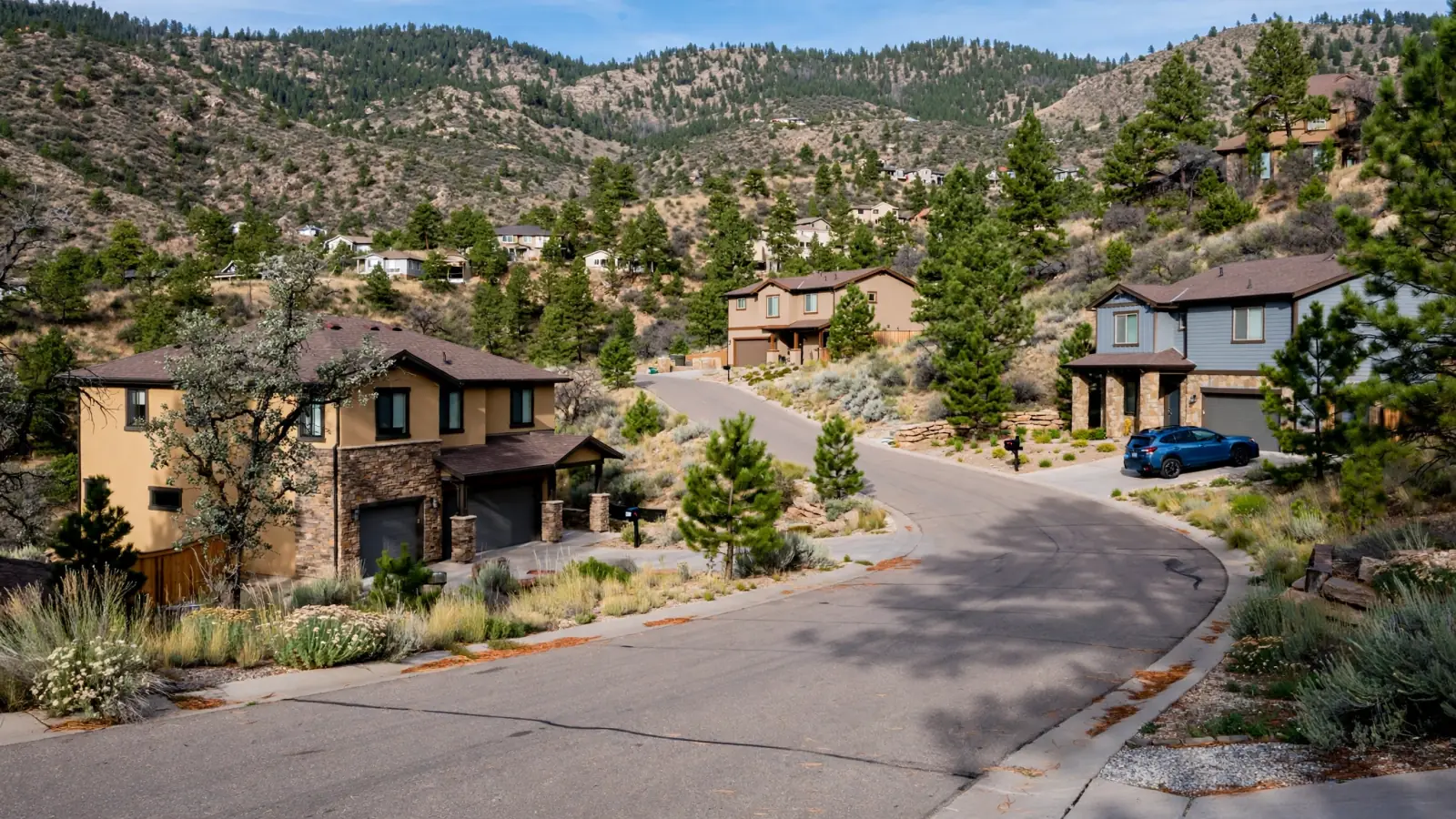
Key facts: Contents Pack-Out and Cleaning in Mountain Shadows
- A pack-out photographs, lists, packs and removes belongings so they can be cleaned off-site while the house is restored.
- Colorado rules for some declared wildfire disasters require insurers to offer at least 65% of contents coverage without a full inventory.
- Clothing, linens and hard goods usually clean well; foam mattresses and cushions often do not after heavy smoke.
- Many households near the foothills keep an inventory and grab-and-go documents because of past evacuations.
When it fits
When a pack-out makes sense in a Mountain Shadows house
Open-plan, two-story houses spread smoke widely, so after a fire the belongings in nearly every room may smell or carry film. If the walls, ceilings and ducts all need cleaning, it is faster and safer to take contents out than to clean around them. A pack-out also makes sense when firefighting water reached the lower level, where boxes and furniture on wet carpet keep absorbing it, and when the house will stand empty during repairs.
After a wildfire with no fire inside, contents cleaning may be the largest part of the job. Clothing in closets, bedding, drapes and upholstered furniture absorb fine smoke, while most hard surfaces clean quickly. The general process is on the contents pack-out and cleaning page.
How it runs
A pack-out in an 80919 home, step by step
- 1
Pull out essentials
Medicines, documents, work and school items and a week of clothing come out first.
- 2
Photograph in place
Each room is photographed before anything moves, which records condition and location.
- 3
Pack by room
Boxes are labeled by room; electronics, art and documents are packed separately.
- 4
Clean off-site
Textiles are laundered or dry-cleaned, hard goods cleaned by hand or ultrasonically, furniture cleaned and deodorized.
- 5
Store and return
Cleaned items stay in sealed storage until the house is ready, then come back room by room.
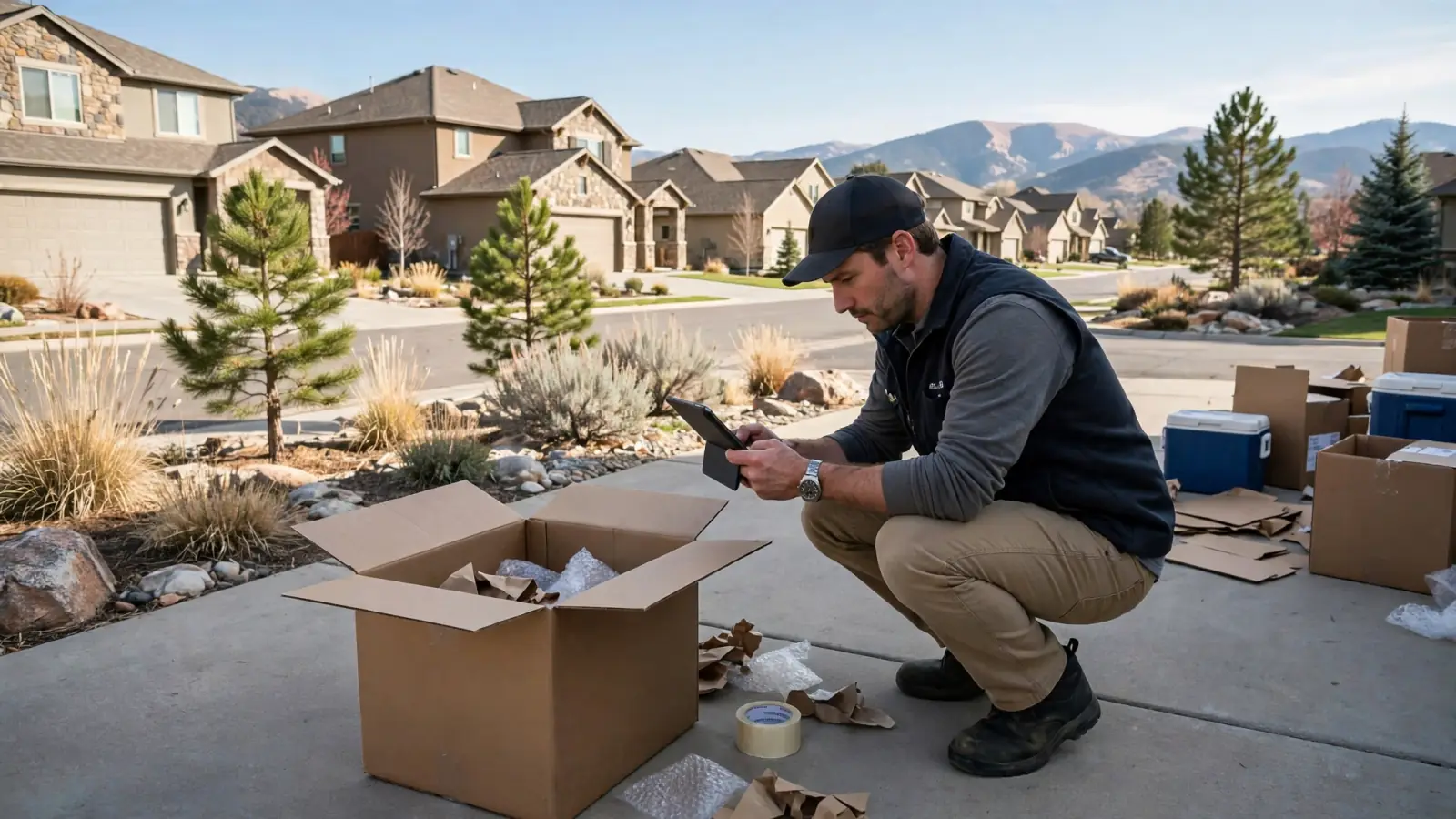
Priority items
Belongings Mountain Shadows families most often ask about
- Photo albums and documentsPacked flat and separately; wet items can be frozen to stop mold until they are dried.
- Uniforms and service recordsMany local households have military ties; these are listed individually and cleaned by specialists.
- Outdoor and deck furnitureCushions near the deck often hold smoke and ash; frames usually wash clean.
- Sports and camping gearTents, sleeping bags and packs absorb smoke and need careful washing.
- ElectronicsKept unplugged and checked before use, since residue can corrode circuits.
Inventory
Building the inventory, and what Colorado rules say
Families who lived through 2012 often say the hardest part was remembering what they owned. A pack-out inventory with photos gives you a head start; add to it from receipts, card statements, online orders and old photos that show rooms in the background. For owner-occupied homes lost in a governor-declared wildfire disaster, Colorado requires insurers to offer at least 65% of contents coverage without a full inventory, with an inventory needed for the rest. Ask your insurer whether that applies to your loss.
Keep receipts for clothing and essentials you buy while displaced. Many policies cover additional living expenses while a home is unlivable, and the Mountain Shadows area page has more on the neighborhood's recovery history.
Clean or replace
How common belongings usually fare after smoke
| Item | Usually |
|---|---|
| Clothing and linens | Clean |
| Dishes, glass, metal | Clean |
| Wood furniture | Clean and deodorize |
| Upholstered furniture | Depends on smoke and water |
| Mattresses and pillows | Often replaced |
| Electronics | Inspect; sometimes clean |
Grab-and-go
A grab-and-go box for foothill households
Families on the northwest side who were evacuated in 2012 often keep a box ready now: passports, birth certificates, insurance policies, medicines, chargers, a hard drive or photo backup, and a printed list of valuables with photos. If a fire ever does happen, that box makes the pack-out easier, because the most important items are already out of the house and the inventory has a starting point.
Store a copy of the inventory and policy outside the house as well, in the cloud or with family, so a fire does not take your records with it.
Garage contents
Sorting the garage after smoke or fire
Hillside garages hold a lot: tools, bikes, camping gear, coolers, paint and garden chemicals. Metal tools and bikes usually clean up; soft gear such as tents and sleeping bags needs washing; and damaged batteries, fuel cans and chemicals are set aside for proper disposal rather than packed with household goods.
Return
Getting belongings back into a rebuilt or restored house
When the house is ready, contents come back by room label. Check electronics and fragile items as they are unpacked and note any problems right away. If walls were repainted or floors replaced, give fresh finishes the curing time the contractor recommends before heavy furniture goes back against them.
Smoke versus water
Why wet belongings are handled first
Items soaked by firefighting water in the lower level are the most urgent part of any pack-out here, because paper, fabric and wood can start growing mold within a couple of days. Smoky but dry belongings can wait a little longer without getting worse. Crews therefore usually empty wet rooms first, freeze or dry important papers and photos, and then move on to the smoky upper floors.
FAQ
Contents questions from Mountain Shadows homeowners
Do I have to list every item for a wildfire contents claim?
Not always. For owner-occupied homes lost in a governor-declared wildfire disaster, Colorado insurers must offer at least 65% of contents coverage without a full inventory.
Can smoky clothes from my closets be saved?
Most washable clothing cleans well with odor-neutralizing detergents. Delicate or valuable items go to specialist cleaners.
What happens to deck furniture after a nearby fire?
Frames usually wash clean; cushions often hold smoke and ash and may need deep cleaning or replacement.
Can I get something out of storage during repairs?
Usually. Ask how retrieval works before packing starts and keep a copy of the inventory.
Should I throw out smoky items before the adjuster visits?
No. Photograph and keep them until your insurer says otherwise.
Will the crew pack items from the garage?
Usually, with fuel, chemicals and damaged batteries handled separately for safe disposal.
How long are belongings stored after a pack-out?
Until the house is clean and repaired, which can range from a few weeks to several months depending on the damage.
Which belongings should be moved out first?
Anything wet, especially papers, photos and fabrics, because mold can start within days. Dry, smoky items can follow.